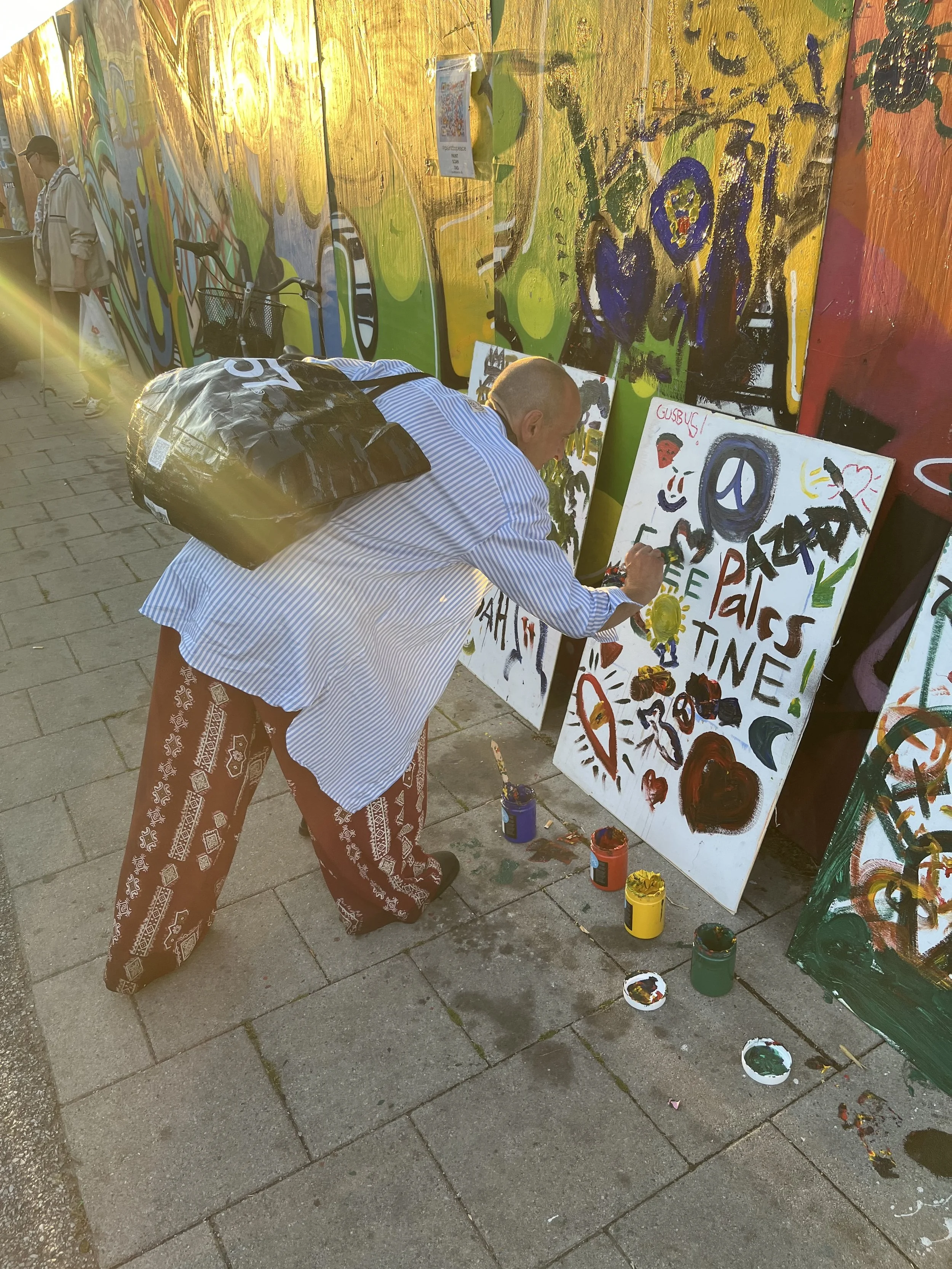
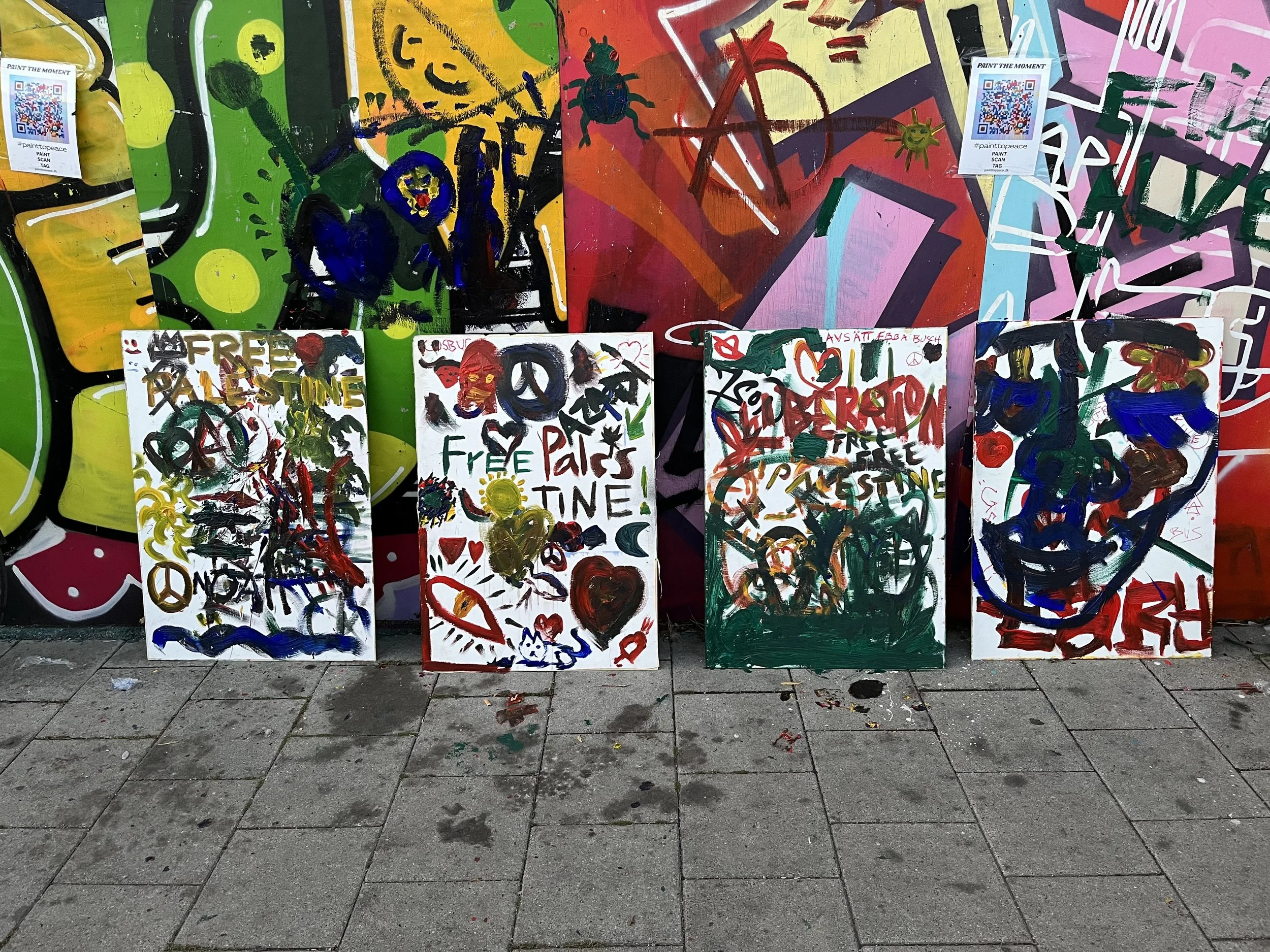
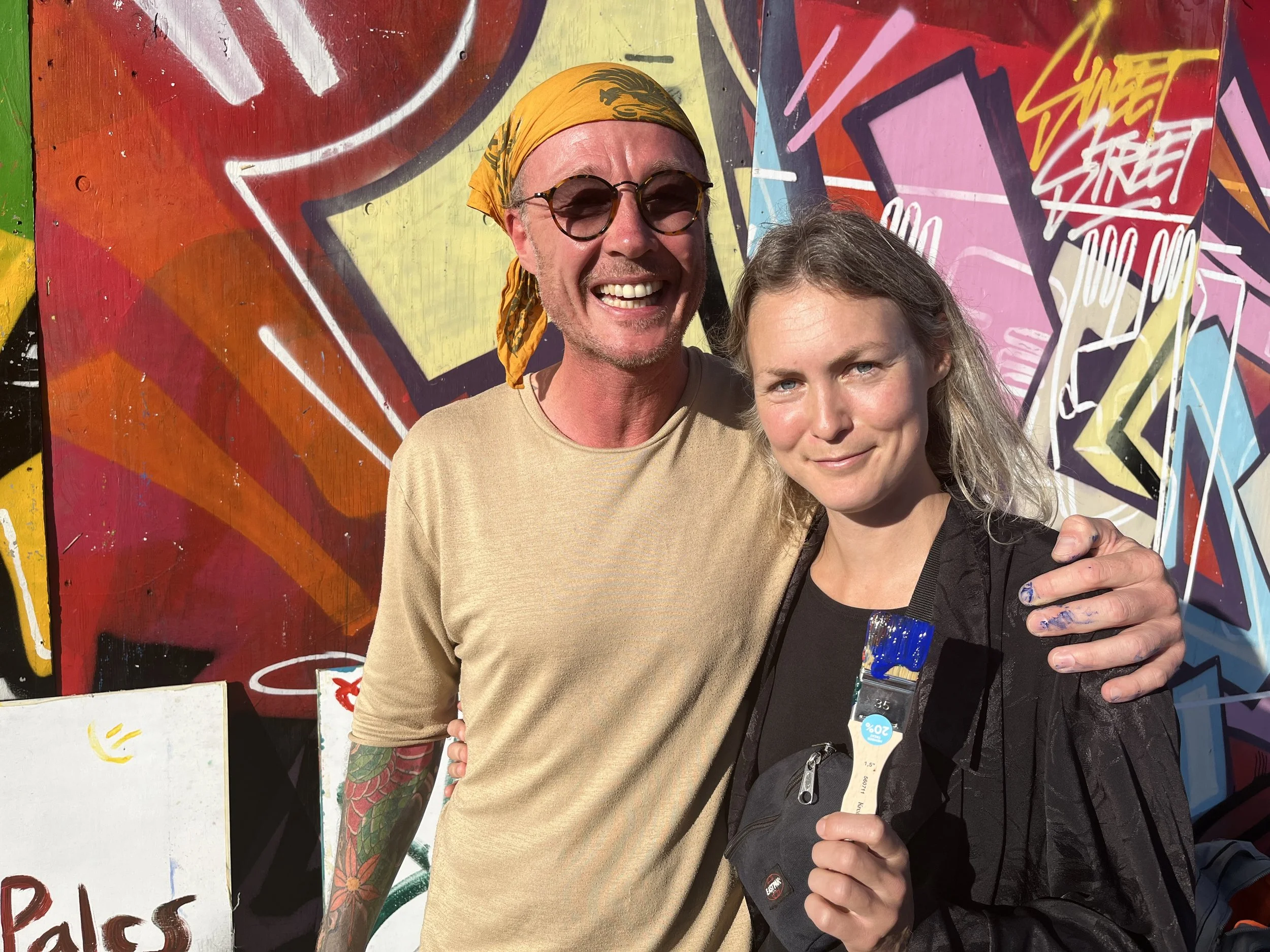
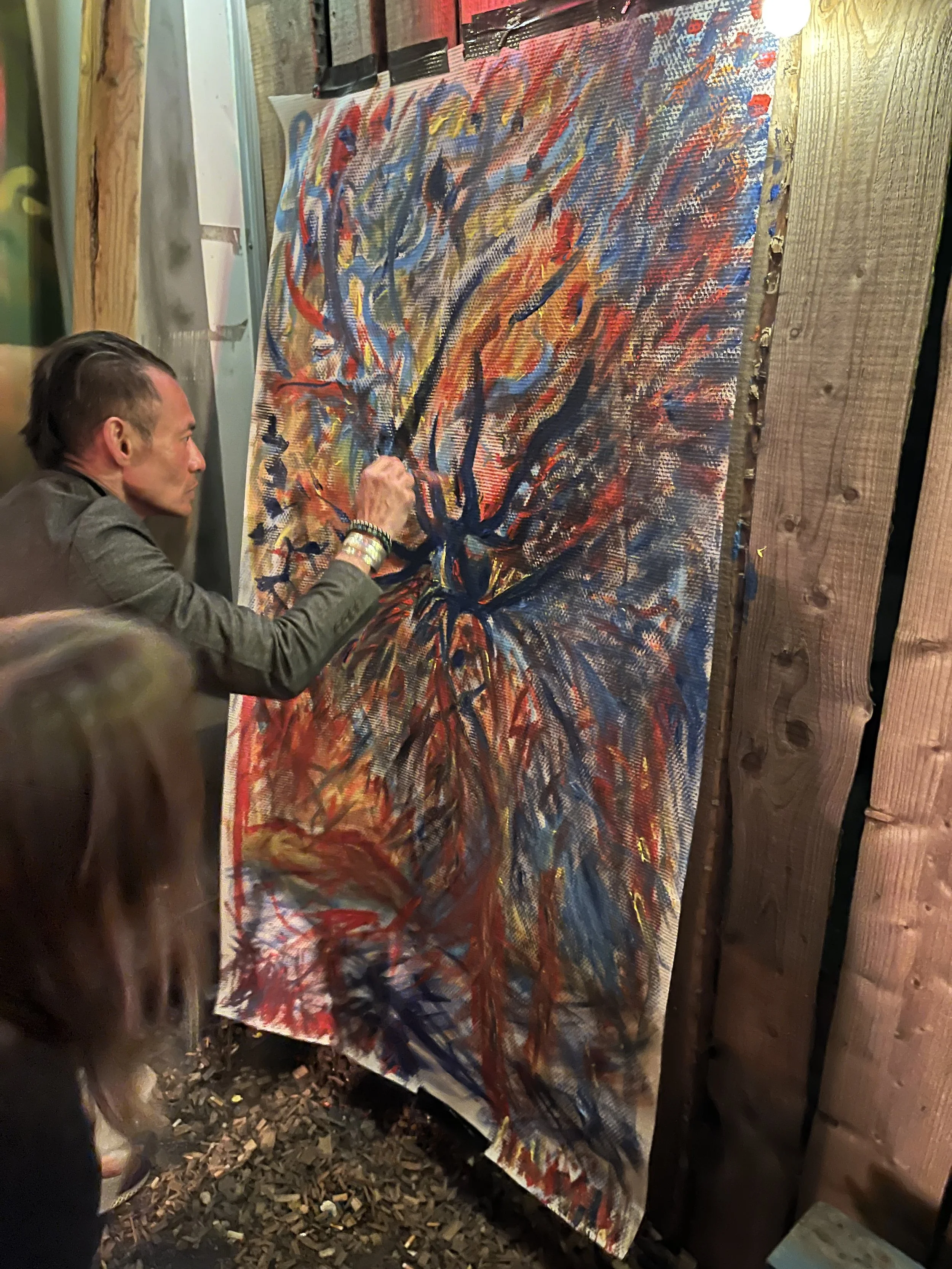
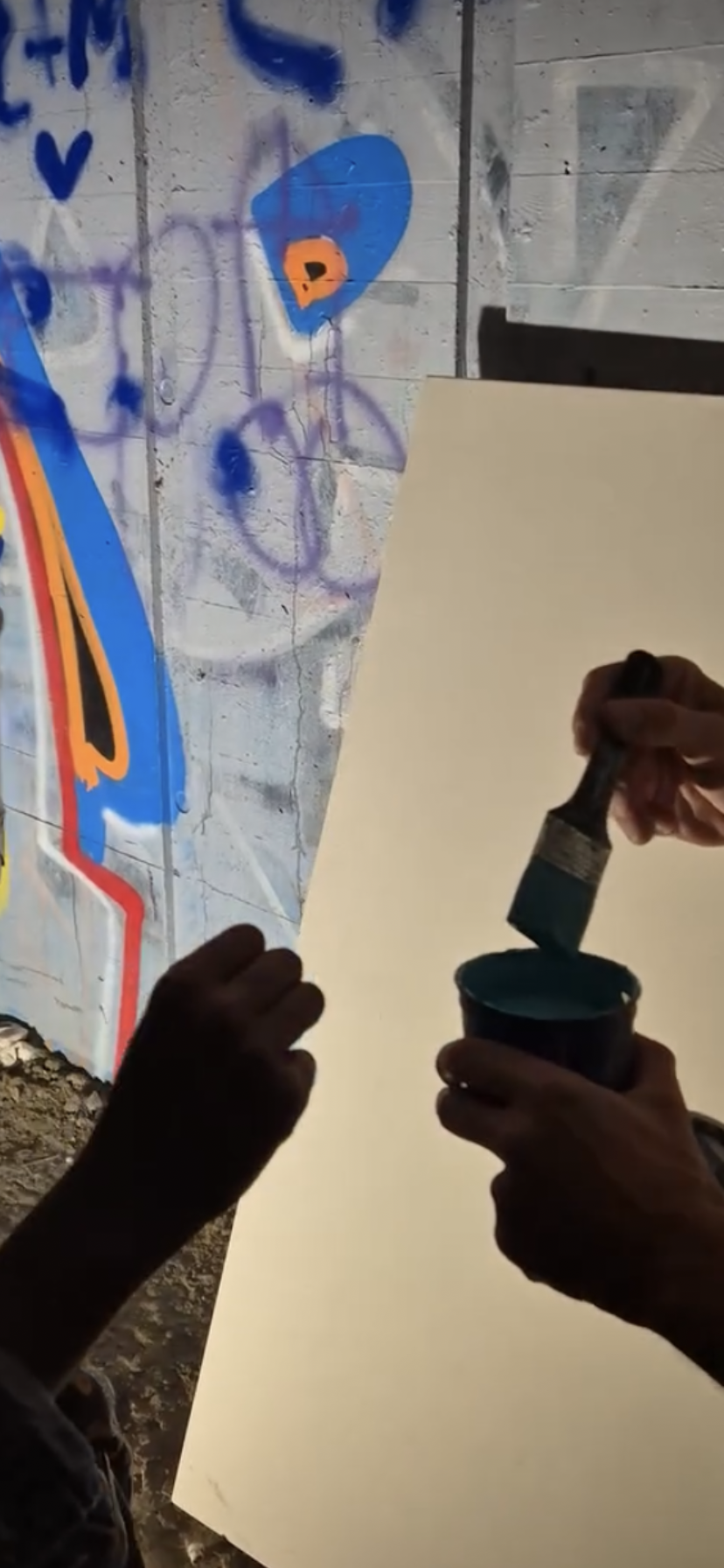
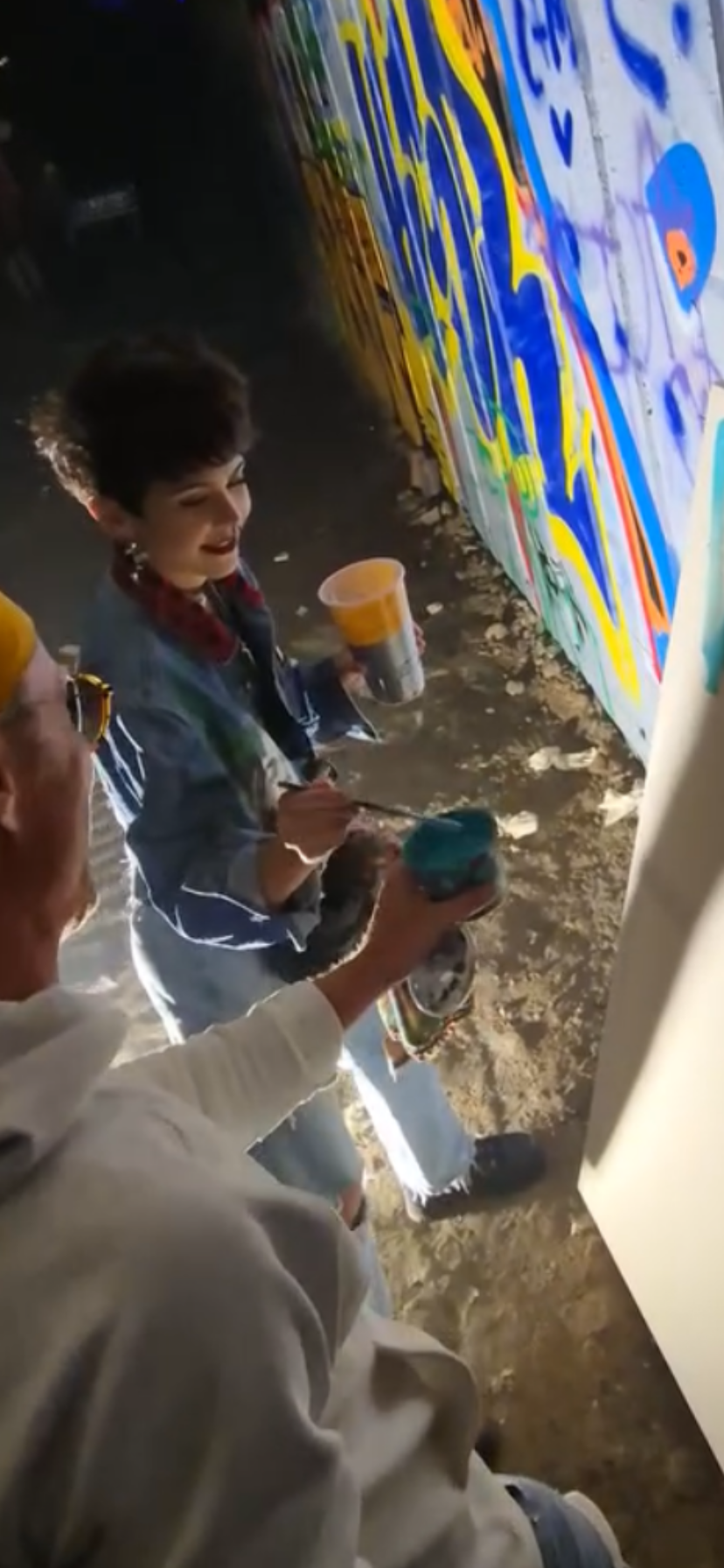
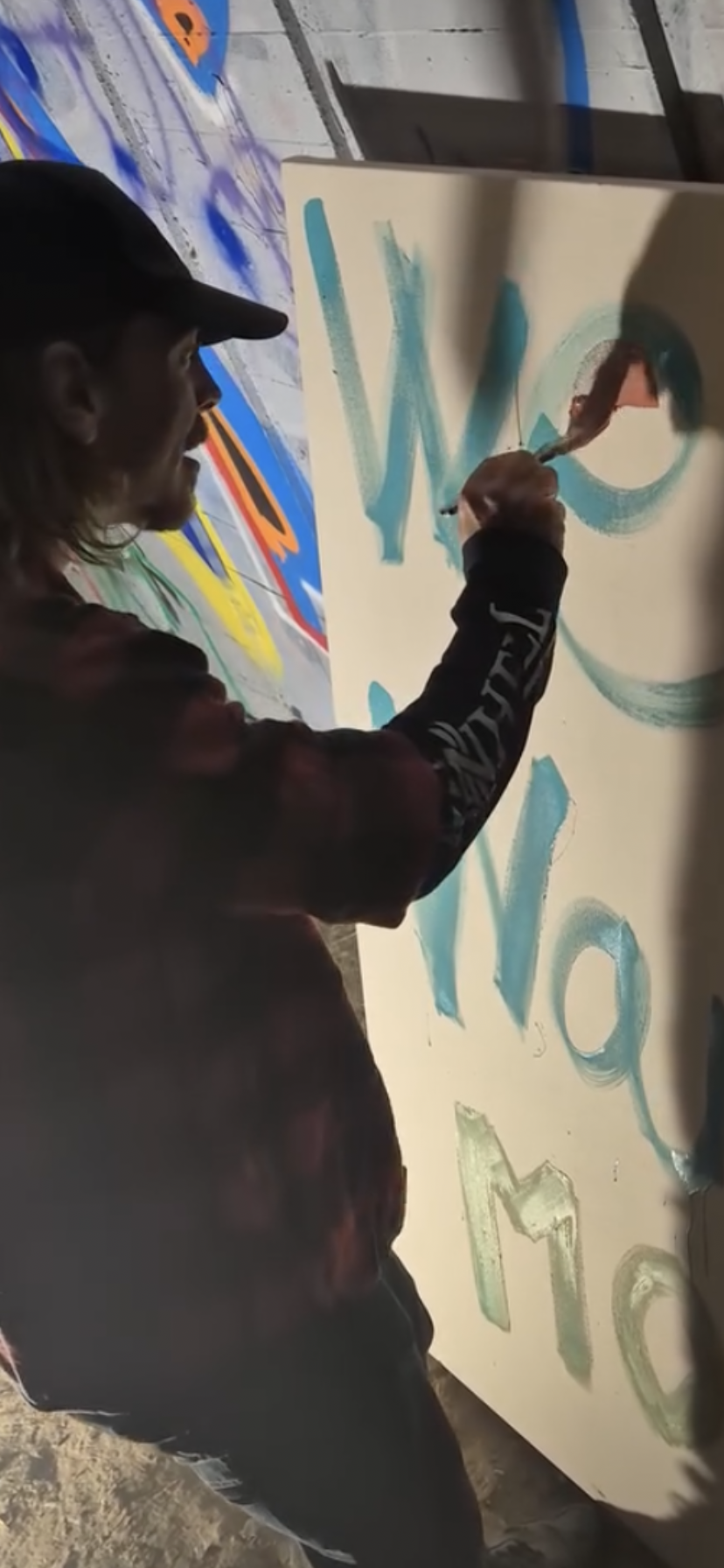
PAINT THE MOMENT
Copenhagen — July 2026
An Urban Field Study in Baseline Presence.
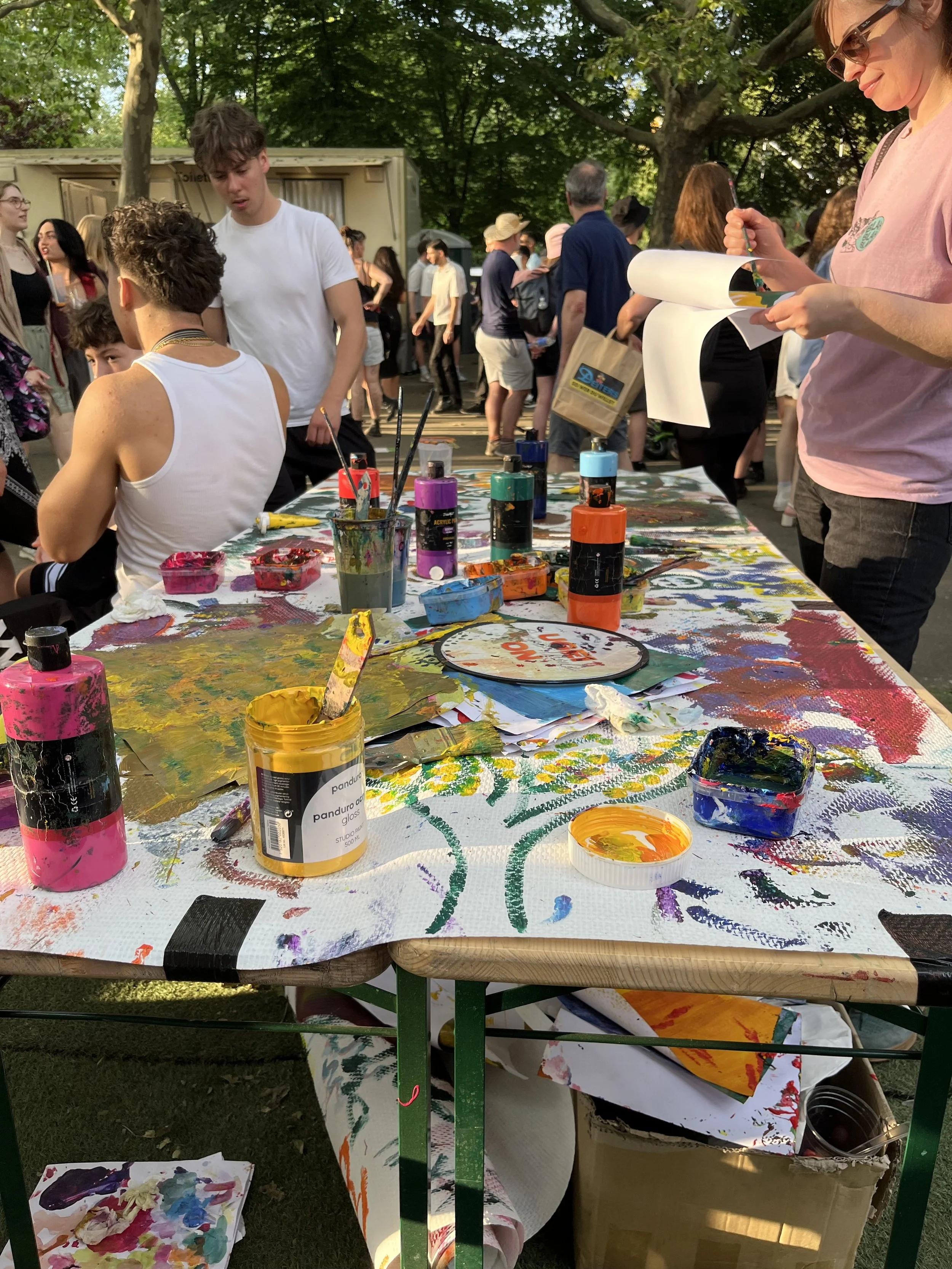
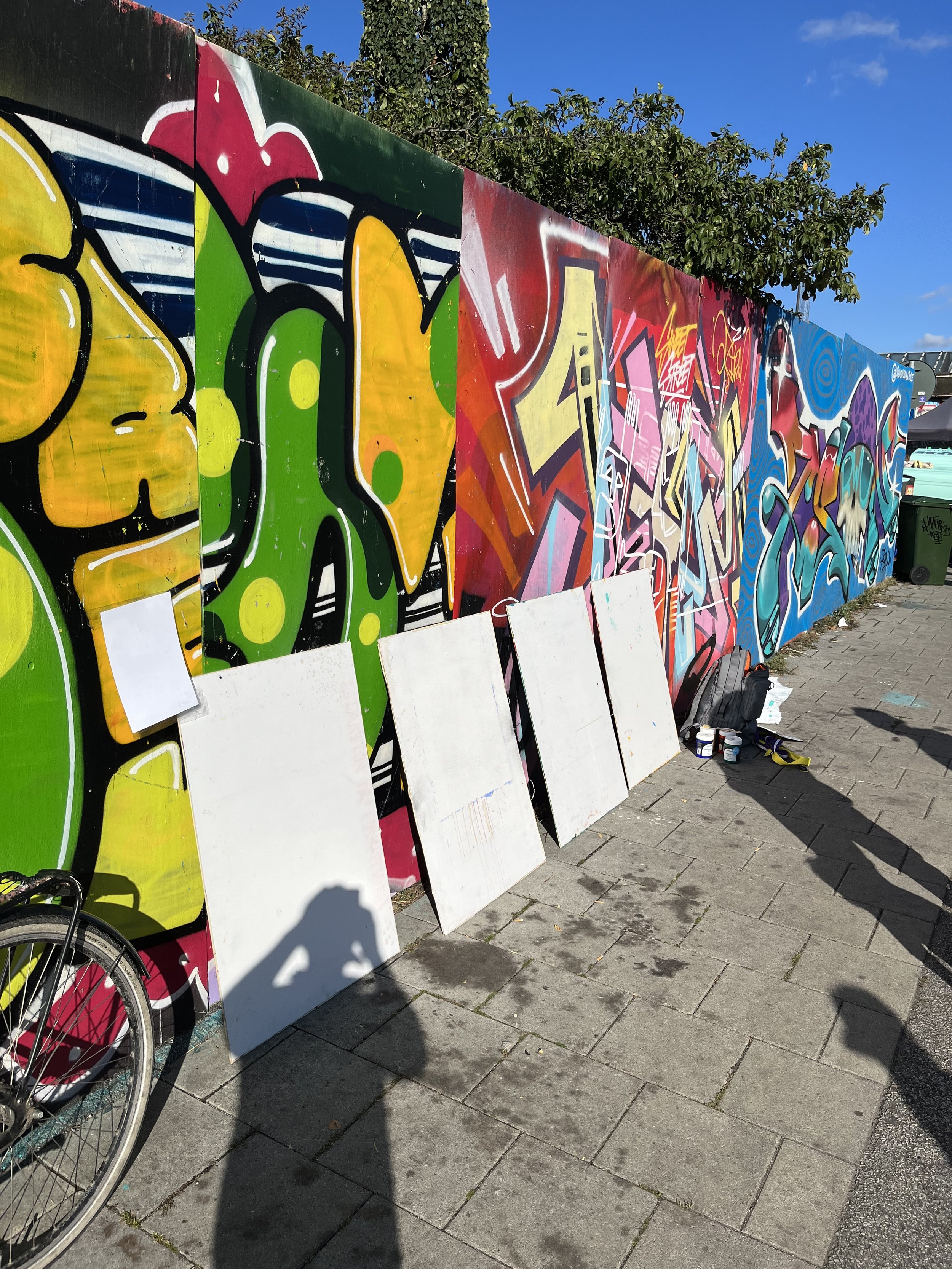
A temporary 15-meter horizontal decompression sanctuary designed to observe human attention and tactile connection in high-stimulation environments.
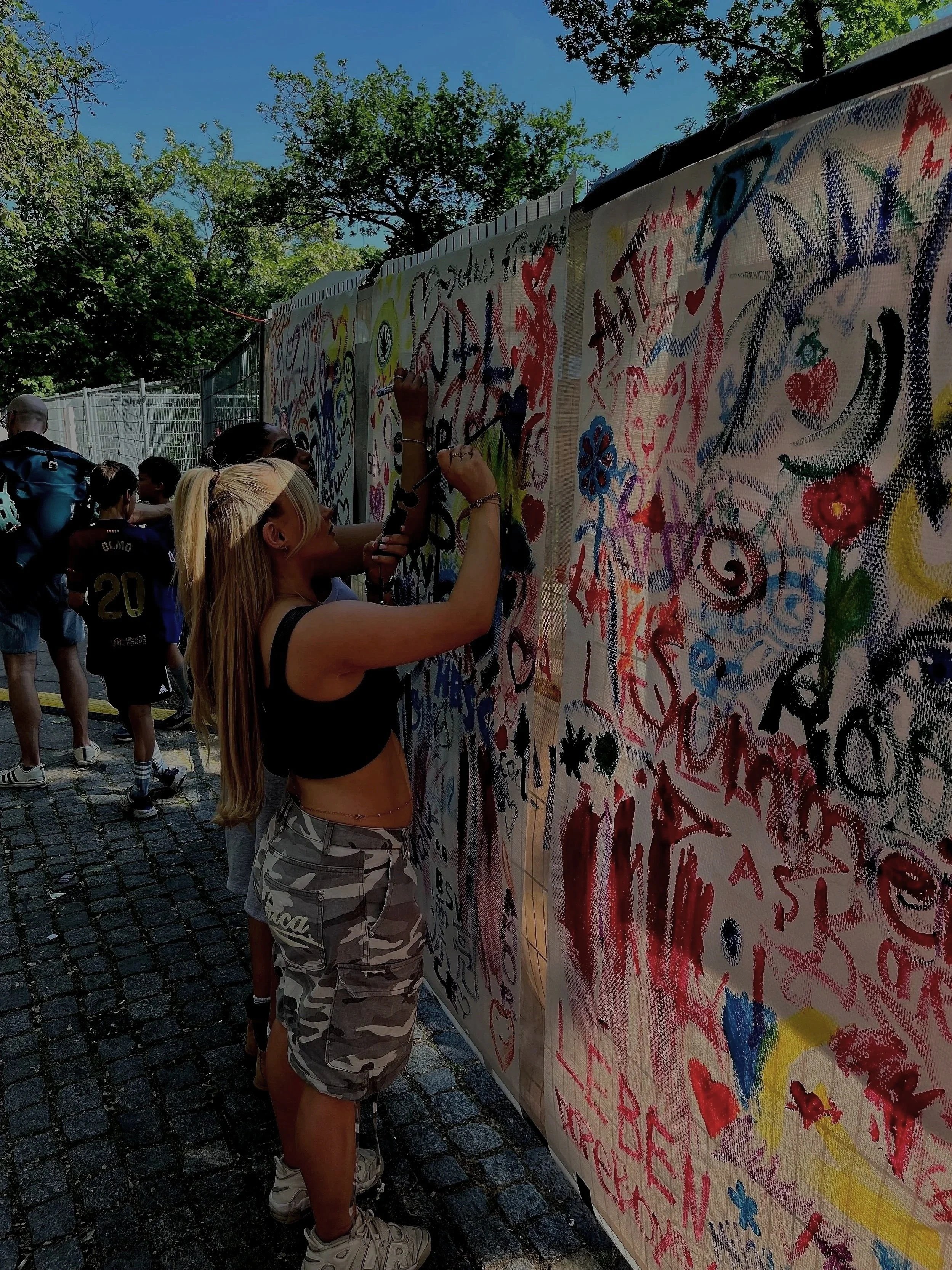
Official Tour Launch // Copenhagen 2026
Next Stop: Kongens Nytorv — July 2026
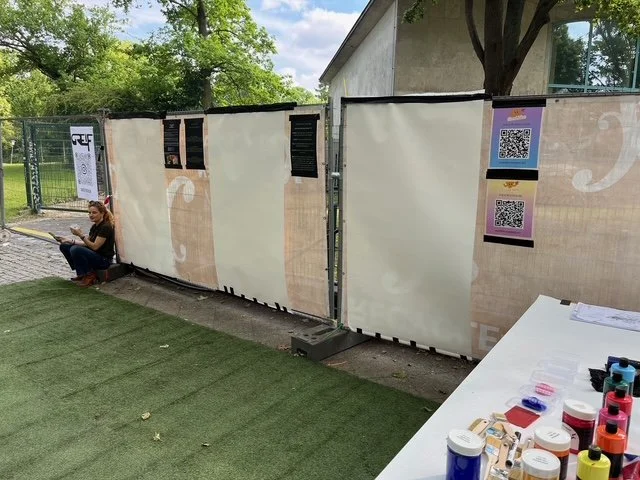
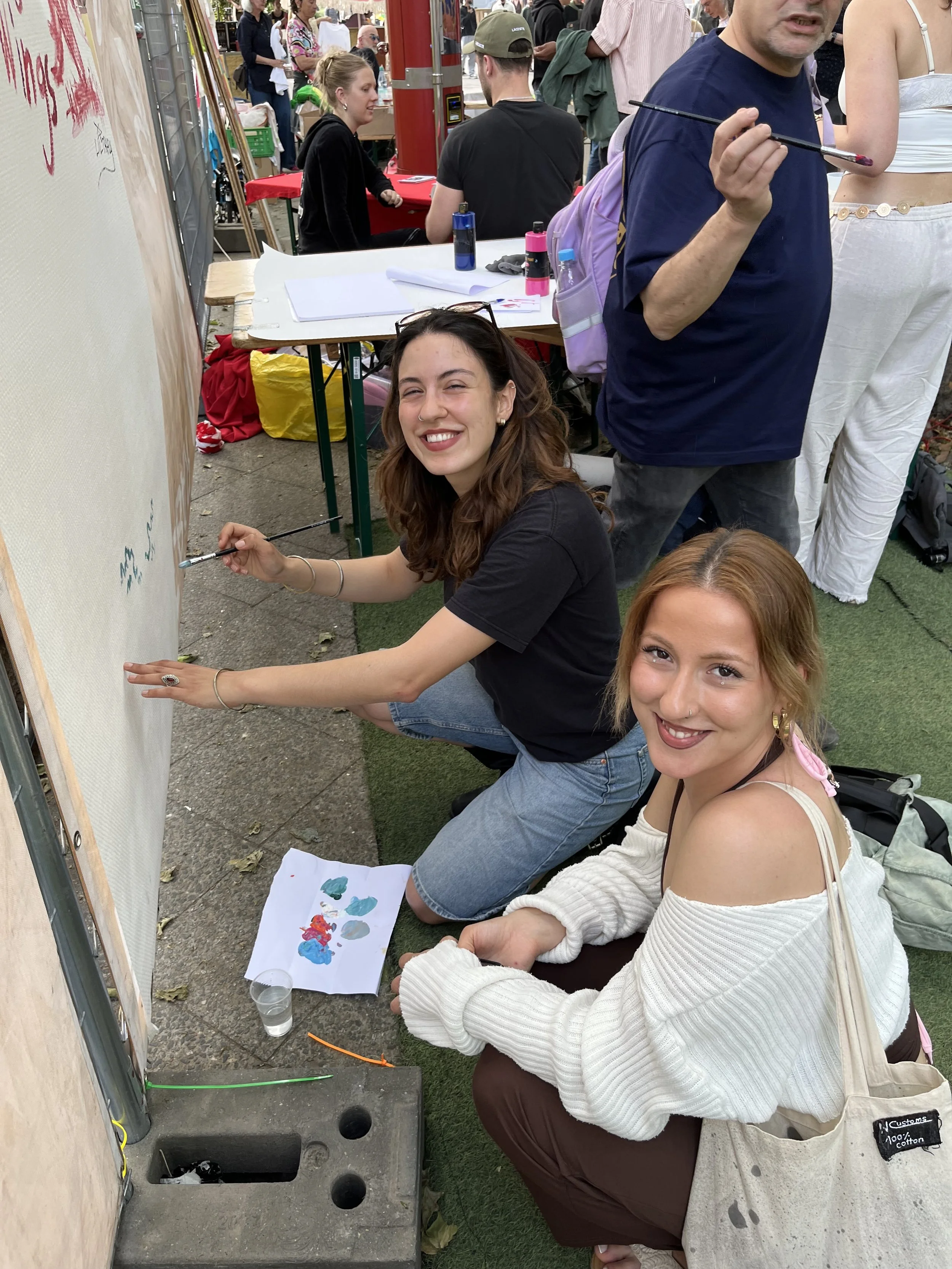
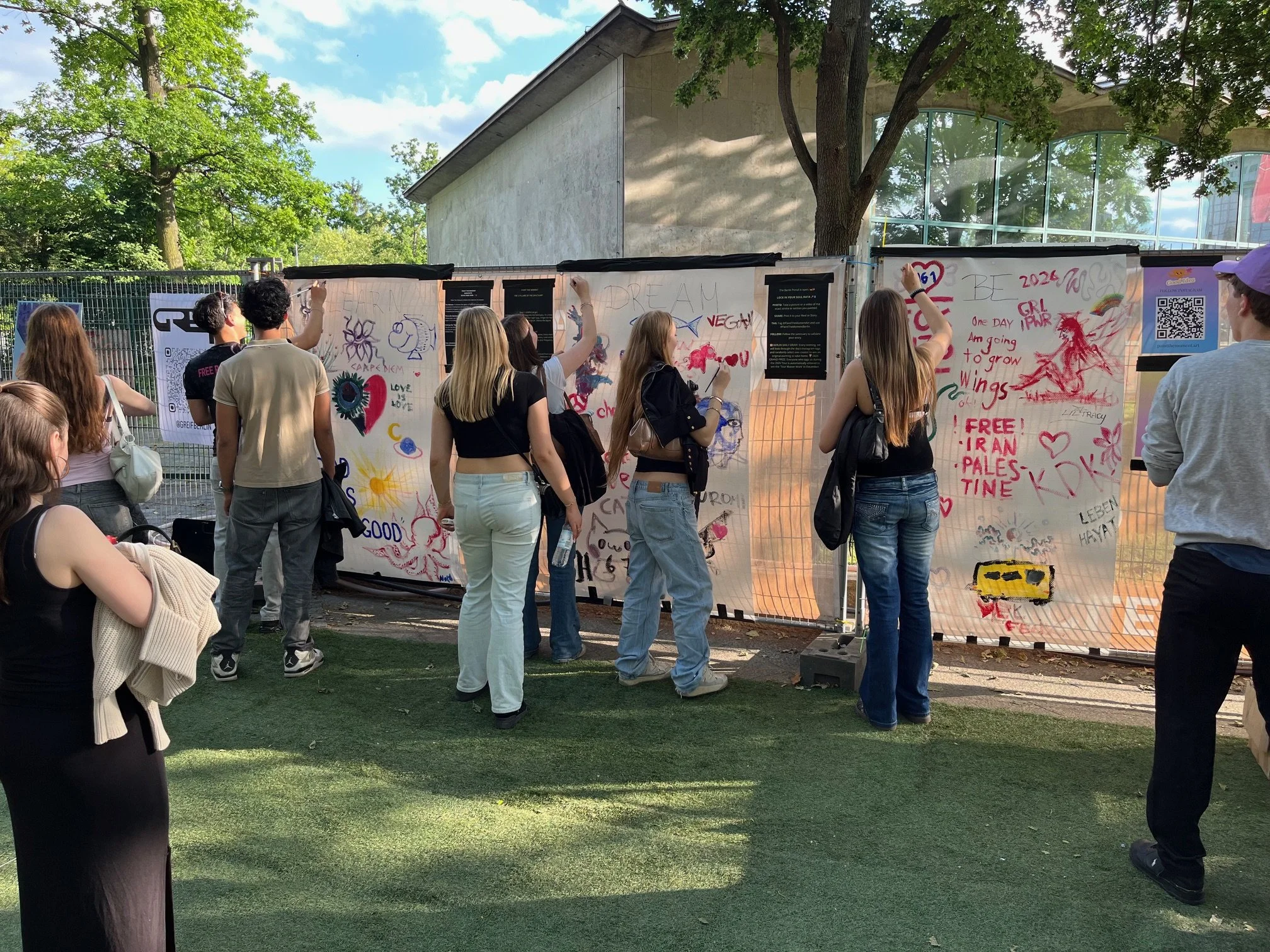
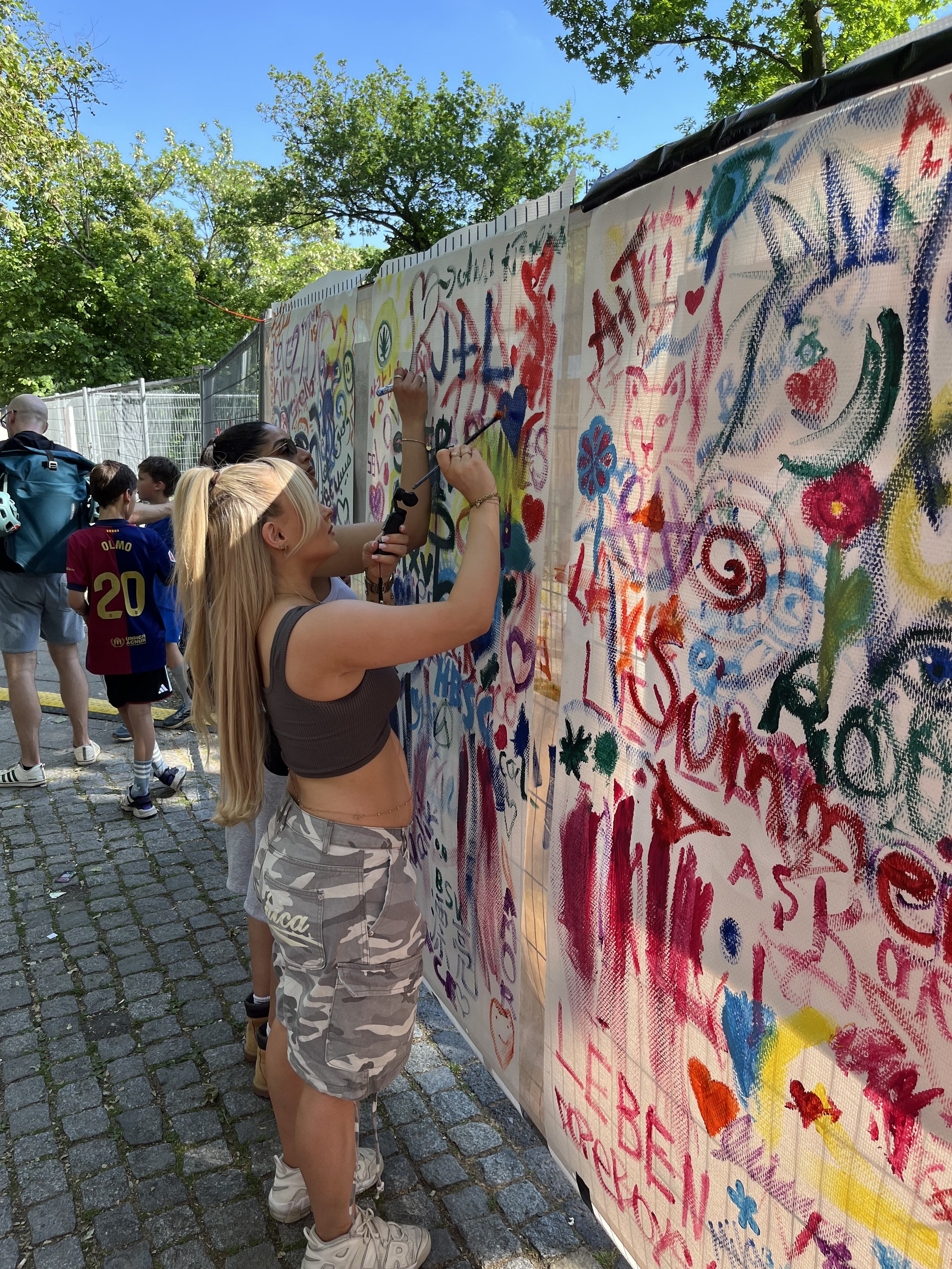
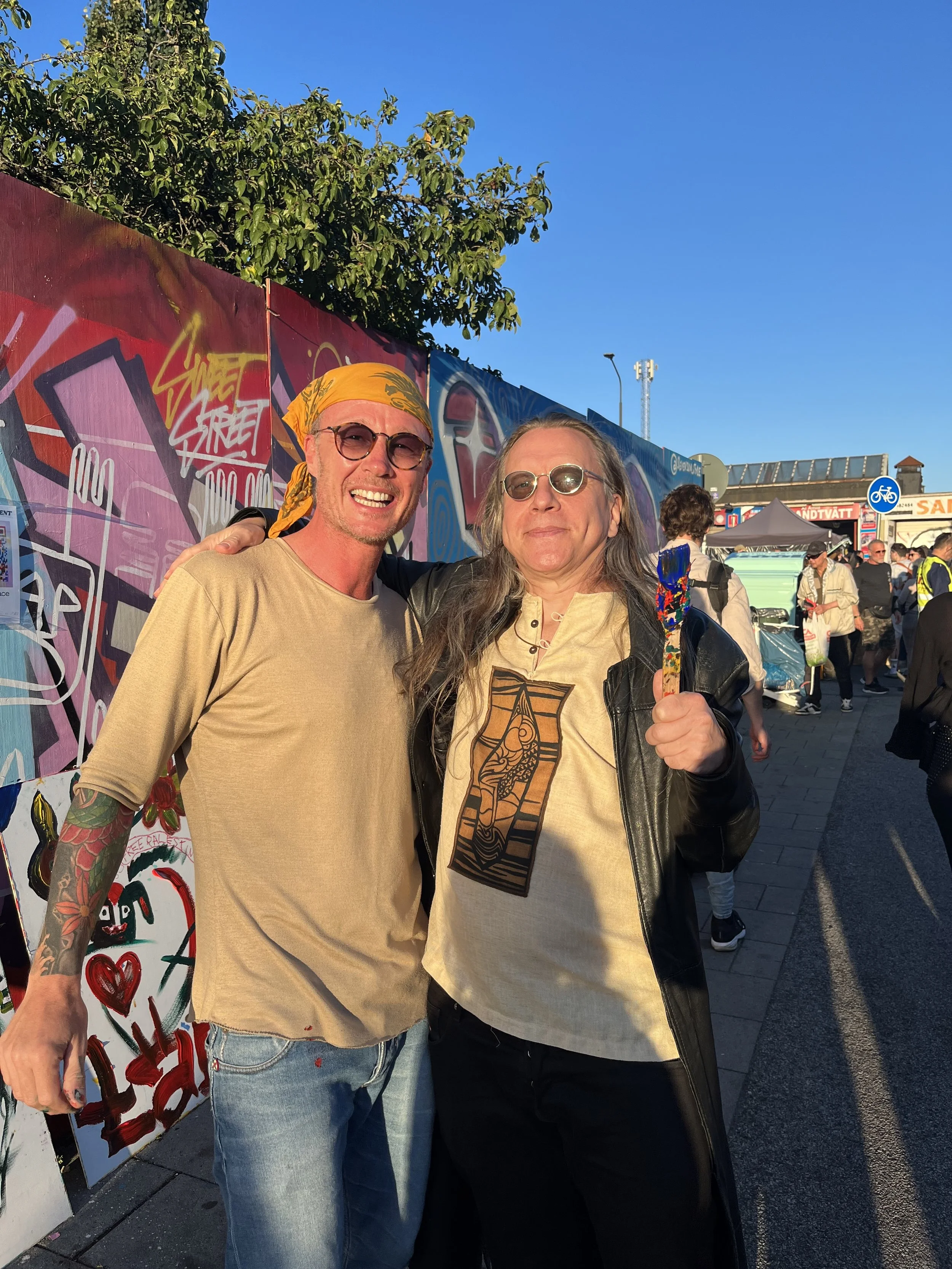
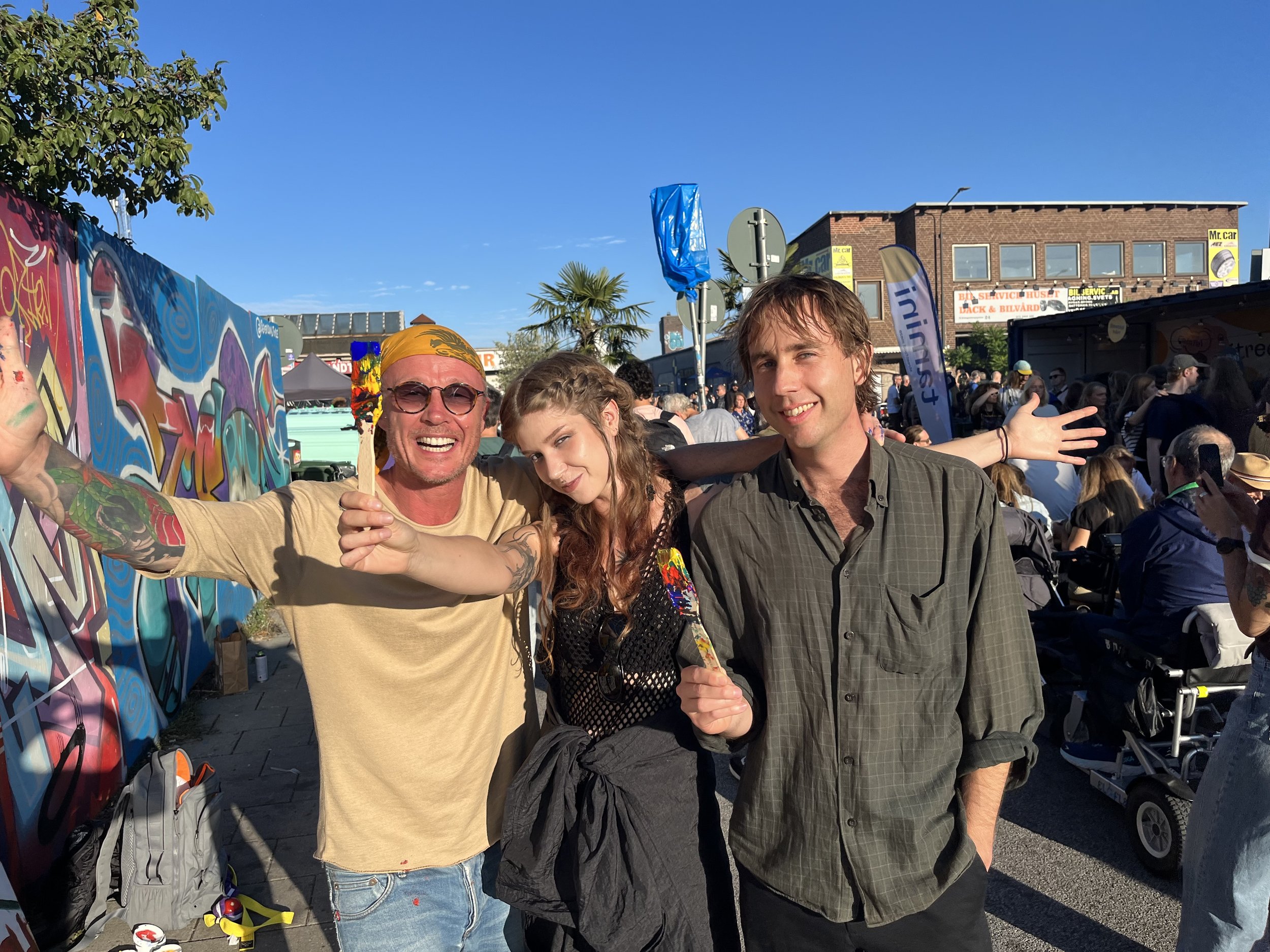
The 15-Meter Modular Sanctuary Interface arrives in alliance with the Danish Beachvolley Championship. An interactive public art installation dedicated to urban stress reduction and community well-being.
For inquiries regarding institutional partnerships, micro-sponsorships, or public funding resources:
Contact Partnership TeamTHE URBAN CHALLENGE: CHRONIC STIMULATION & SENSORY OVERLOAD
Modern city environments are socially dense, high-stimulation zones. Driven by constant digital interruptions and cognitive fragmentation, our collective ability to remain present is being challenged daily.
According to neurobiological frameworks like Dr. Daniel J. Siegel’s Window of Tolerance, a high-traffic urban space can push the human nervous system completely out of its optimal zone. For many individuals, the brain's natural "sensory filter" stays wide open—forcing the mind to actively expend immense energy processing relentless ambient data, eventually leading to stress, exhaustion, or cognitive shutdown.
THE LIVE FIELD STUDY: PAINT THE MOMENT
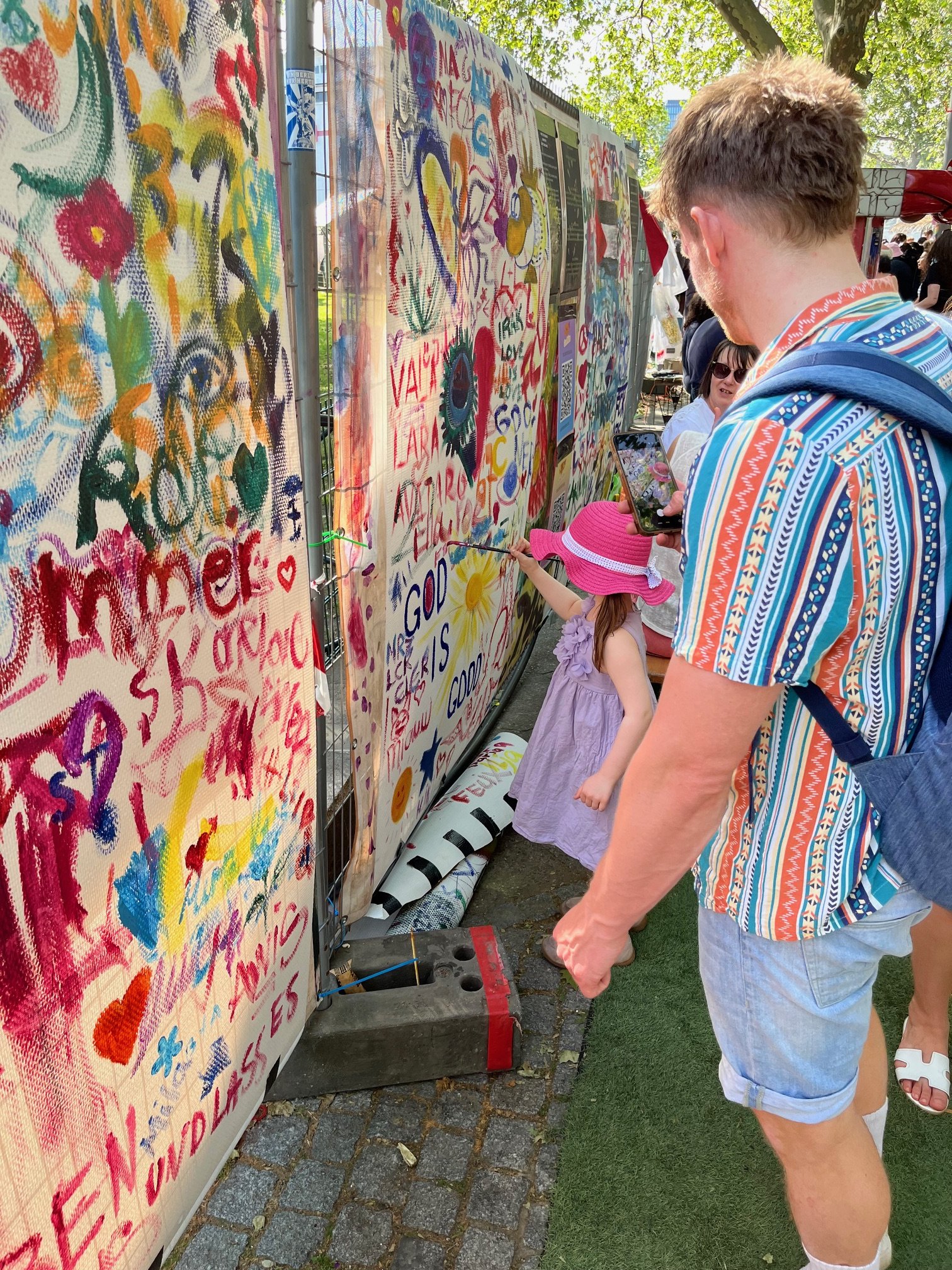
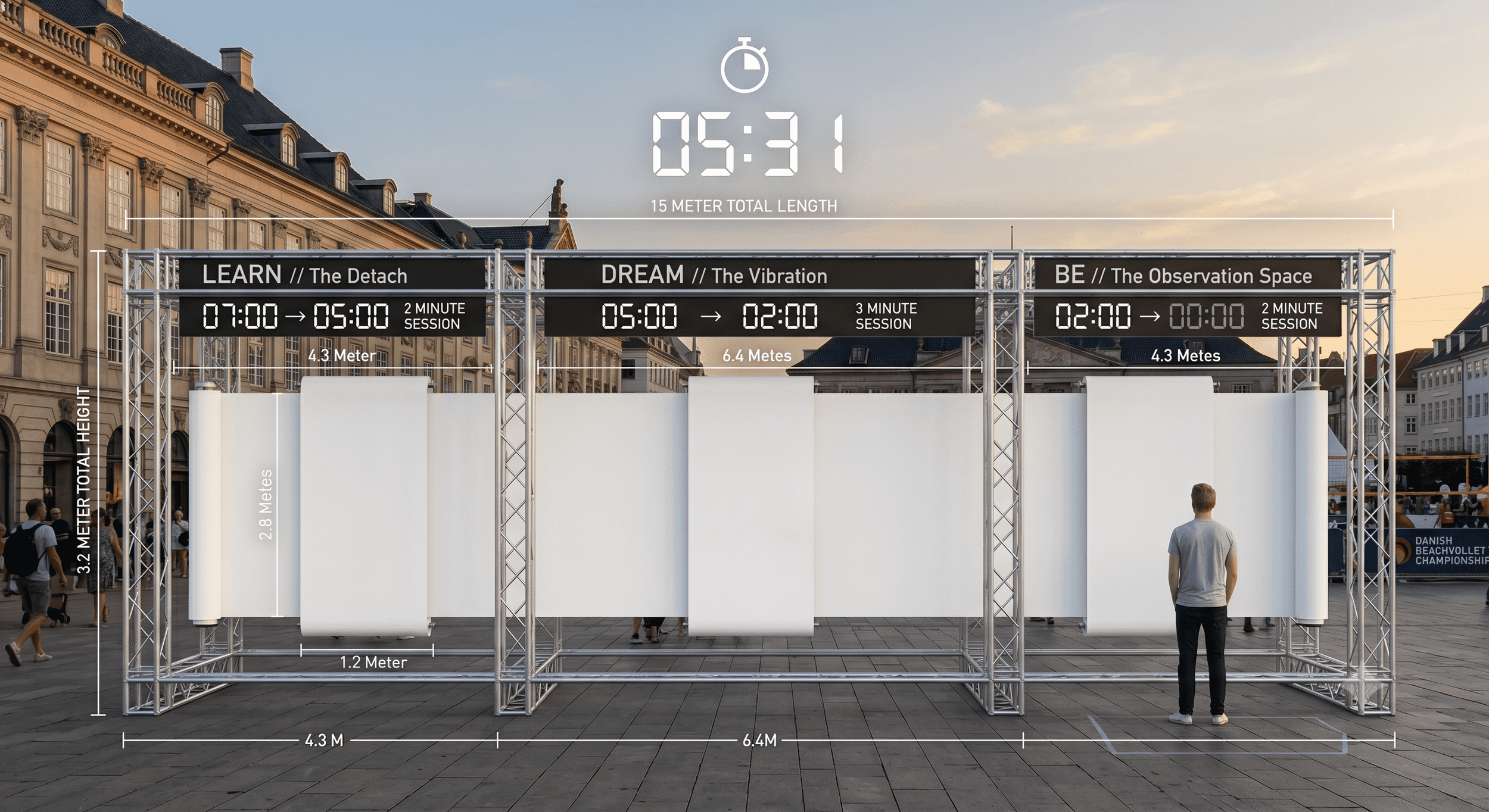
Paint the Moment is a live public field study launching at Kongens Nytorv, Copenhagen in late July 2026. Inside a temporary, 15-meter horizontal decompression sanctuary, we are testing a structured, 3-phased 7-Minute Physical Protocol (Learn, Dream, Be).
Our goal is to observe how deliberate analog transitions affect human stress levels, help individuals track their internal bodily signals (interoception), and restore mental presence in high-traffic urban environments. We are not arriving with final clinical conclusions; we are entering the public space strictly to learn, test, and gather field data.
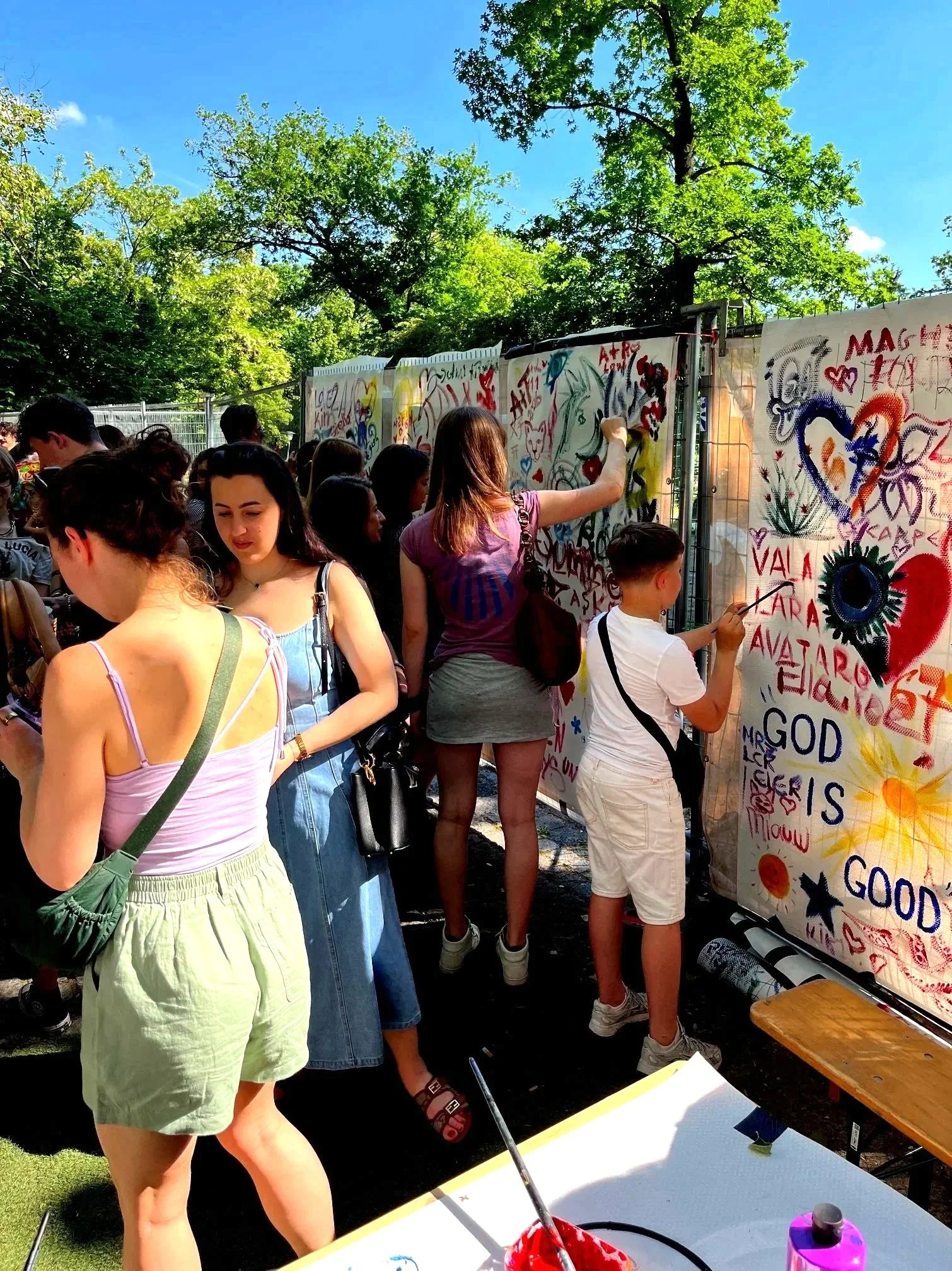
GUIDING RESEARCH & CONTEXT
The contemporary insights, theories, and field hypotheses that inspired this live urban experiment.
THE "STOLEN ATTENTION" CONTEXT
In his research framework (Stolen Focus), author Johann Hari argues that modern human attention hasn't collapsed—it has been structurally stolen by constant digital demands. Paint the Moment uses this insight to test whether a voluntary, 7-minute screen-free interval can function as an accessible, real-world mental health circuit breaker.
EXPLORING ANALOG NEURO-REGULATION
Behavioral science suggests that engaging the motor cortex through physical mediums (like wet paint and raw canvas) can help reset over-stimulated neural pathways. Our experiment will observe how participants respond to this sensory shift when isolated from their digital devices.
PUBLIC SPACE ARCHITECTURE
By placing architectural "mental health recharge areas" directly in high-visibility civic hubs like Kongens Nytorv, the project explores the normalization of behavioral self-regulation. We are testing whether moving wellness out of hidden clinics and into the open public square alters community engagement.
THE LOCK SCREEN ANCHOR TEST
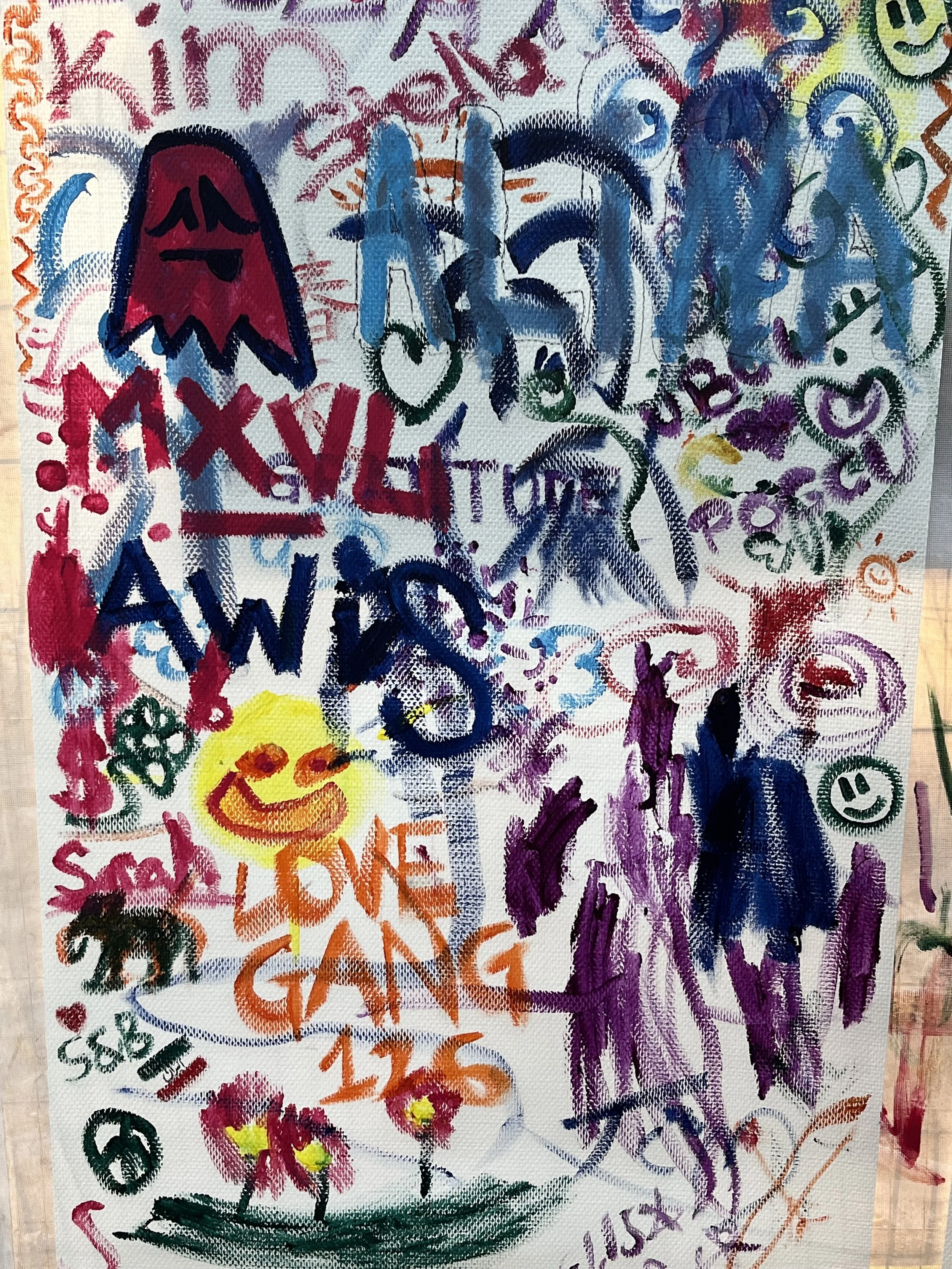
The physical-to-digital loop ensures we can observe long-term relevance. Each participant ledger entry delivers a custom vertical wallpaper of their canvas contribution. We are exploring whether this digital asset can serve as a functional visual anchor, prompting them to pause in their daily environments.
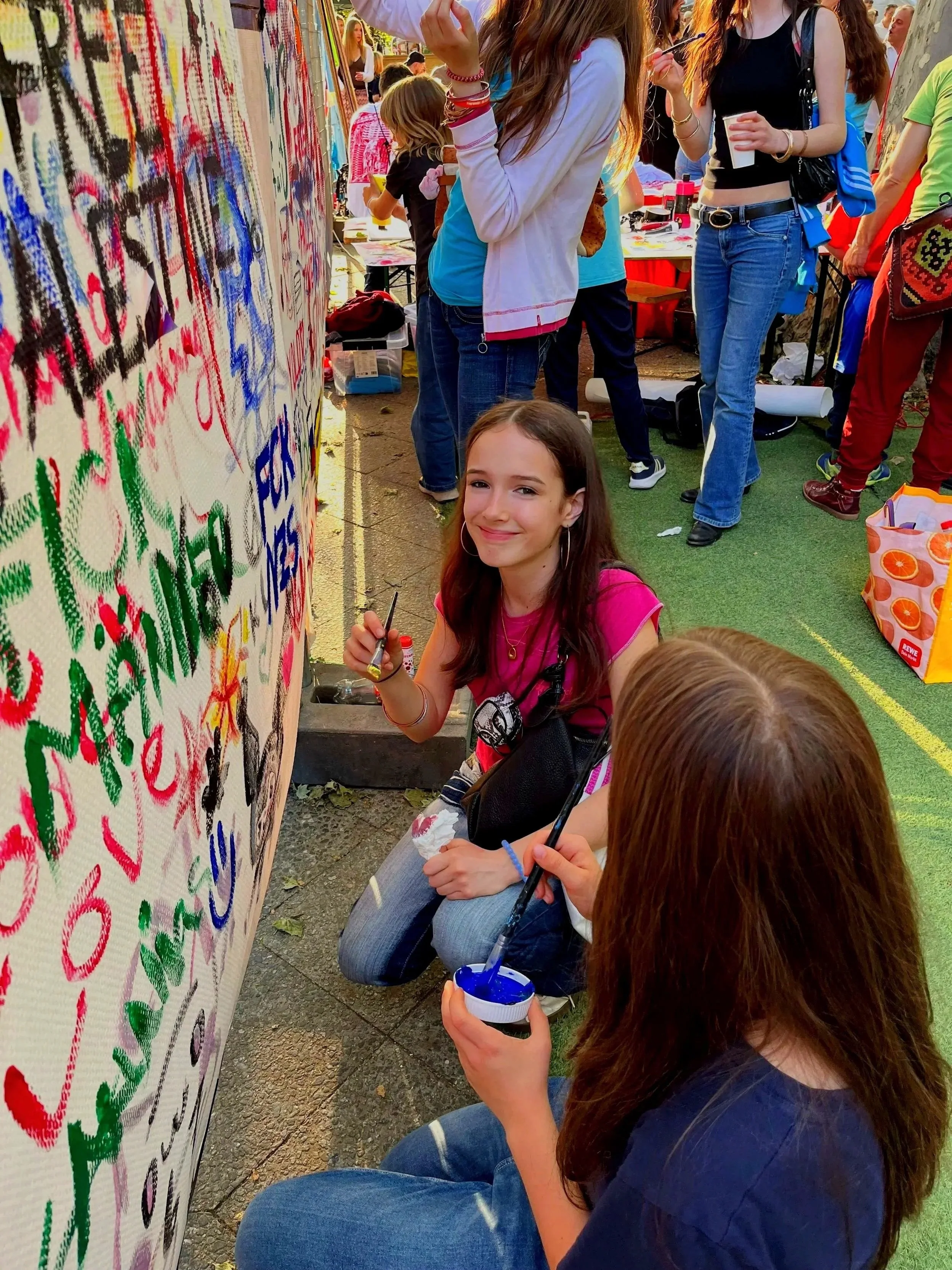
THE 7-MINUTE FRAMEWORK UNDER TEST
A timed, analog transition designed to test how short, screen-free breaks impact immediate wellbeing.
// 01 / LEARN (2 MINUTES) — SPATIAL TRANSITION
The Test: The participant steps out of the busy street flow and enters the physical structure of the 15-meter framework.
What we are exploring: Can a brief, intentional change in physical architecture immediately disrupt external environmental stress?
// 02 / DREAM (3 MINUTES) — KINETIC EXPRESSION
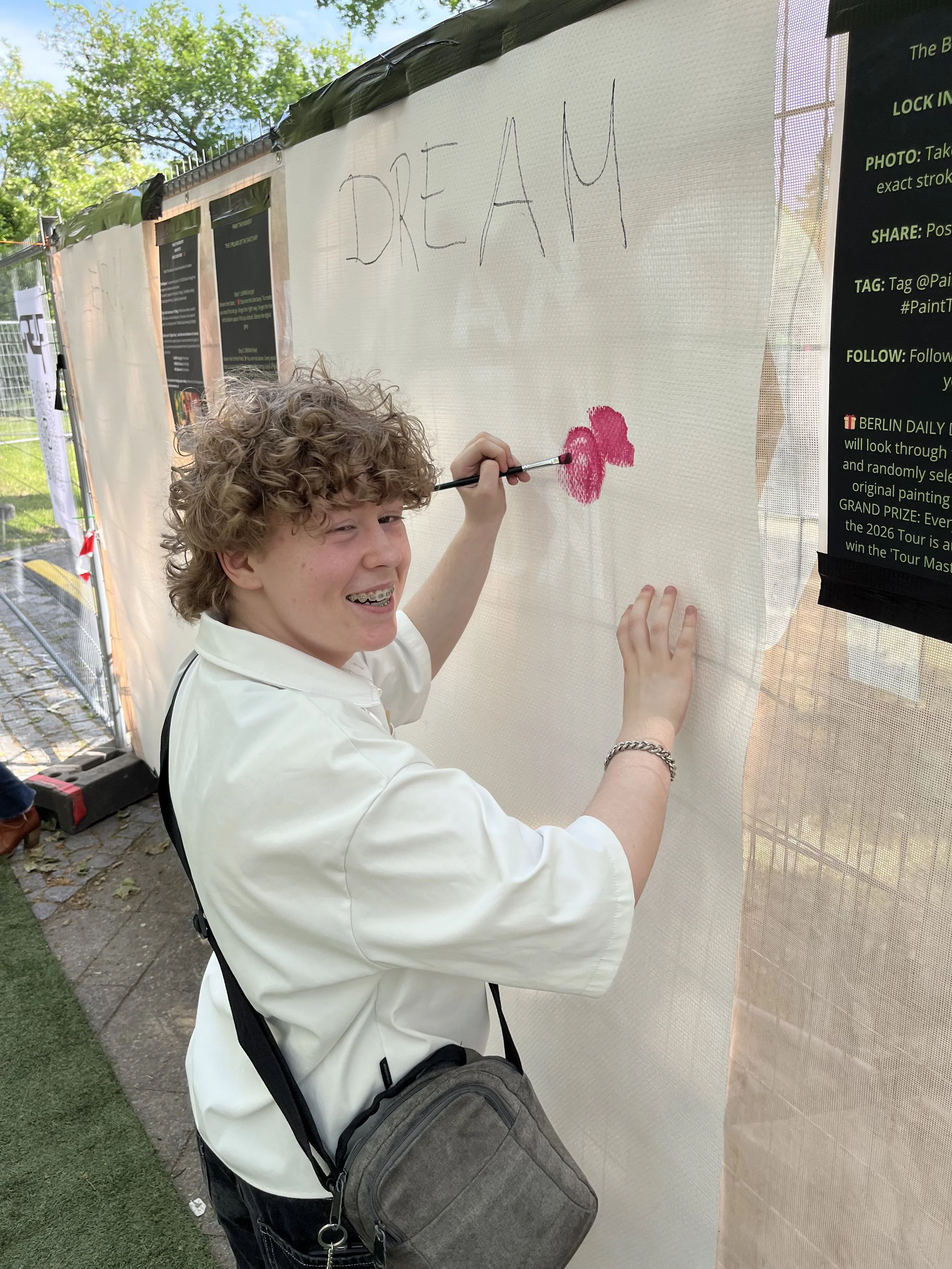
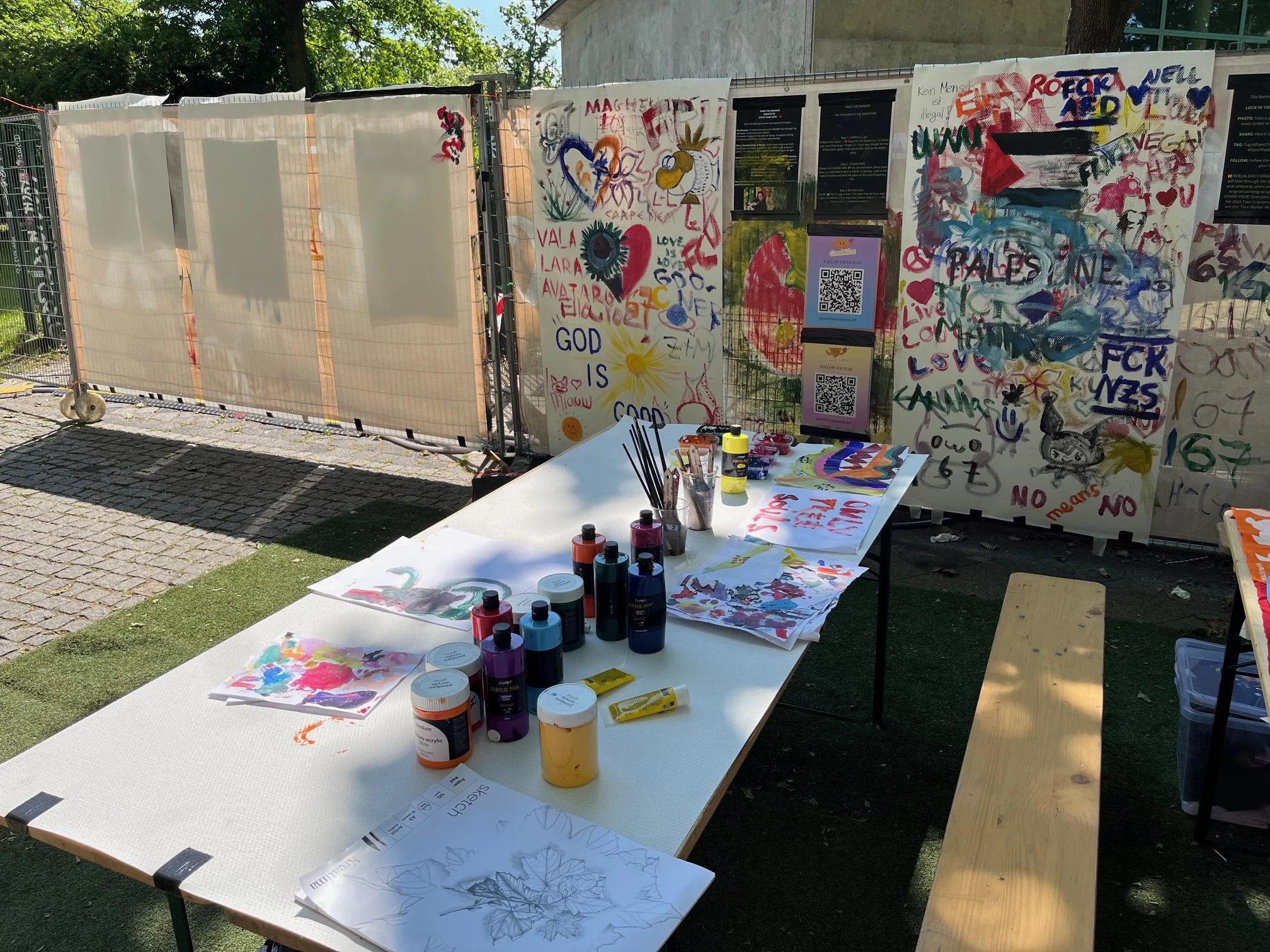
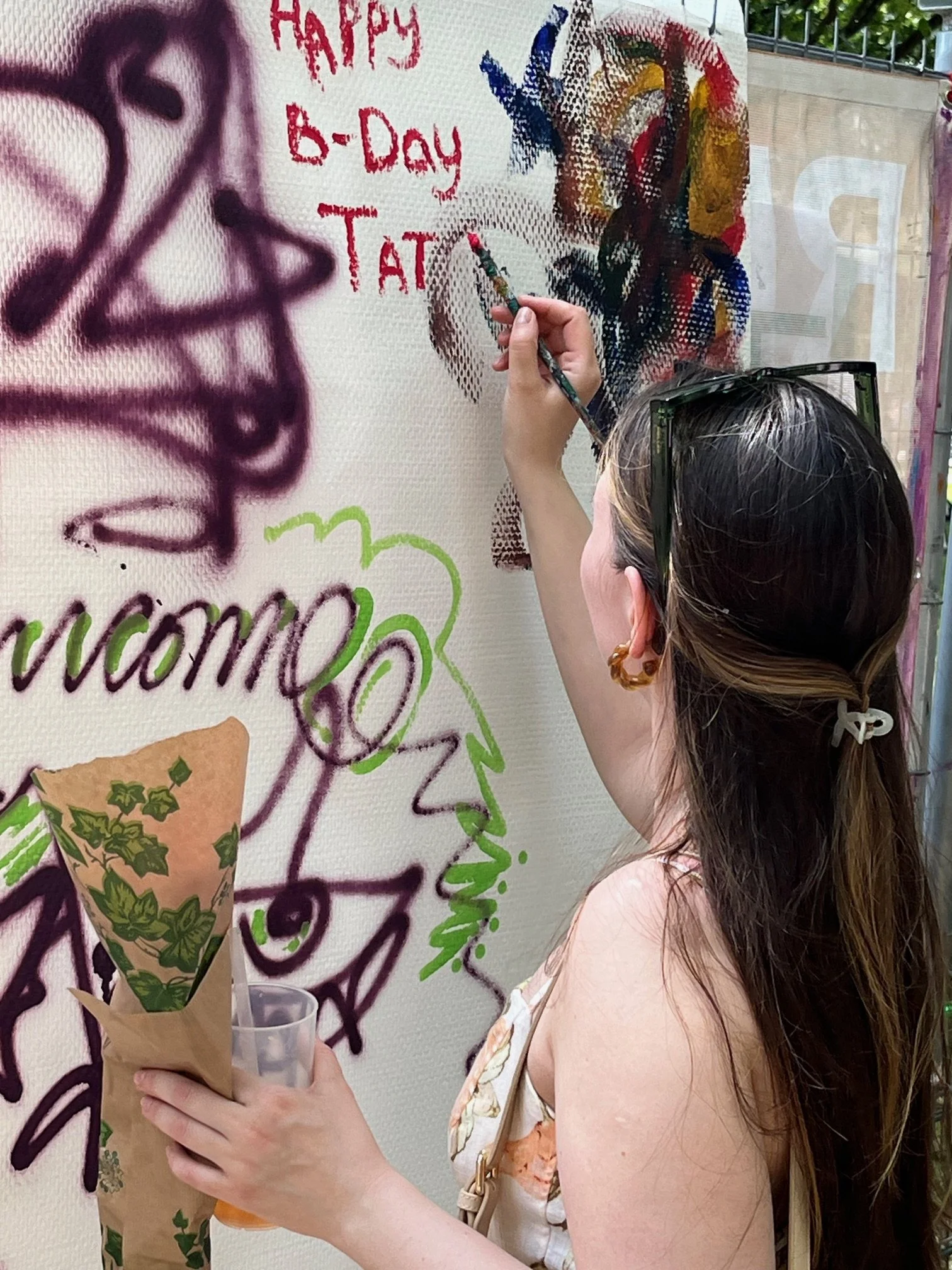
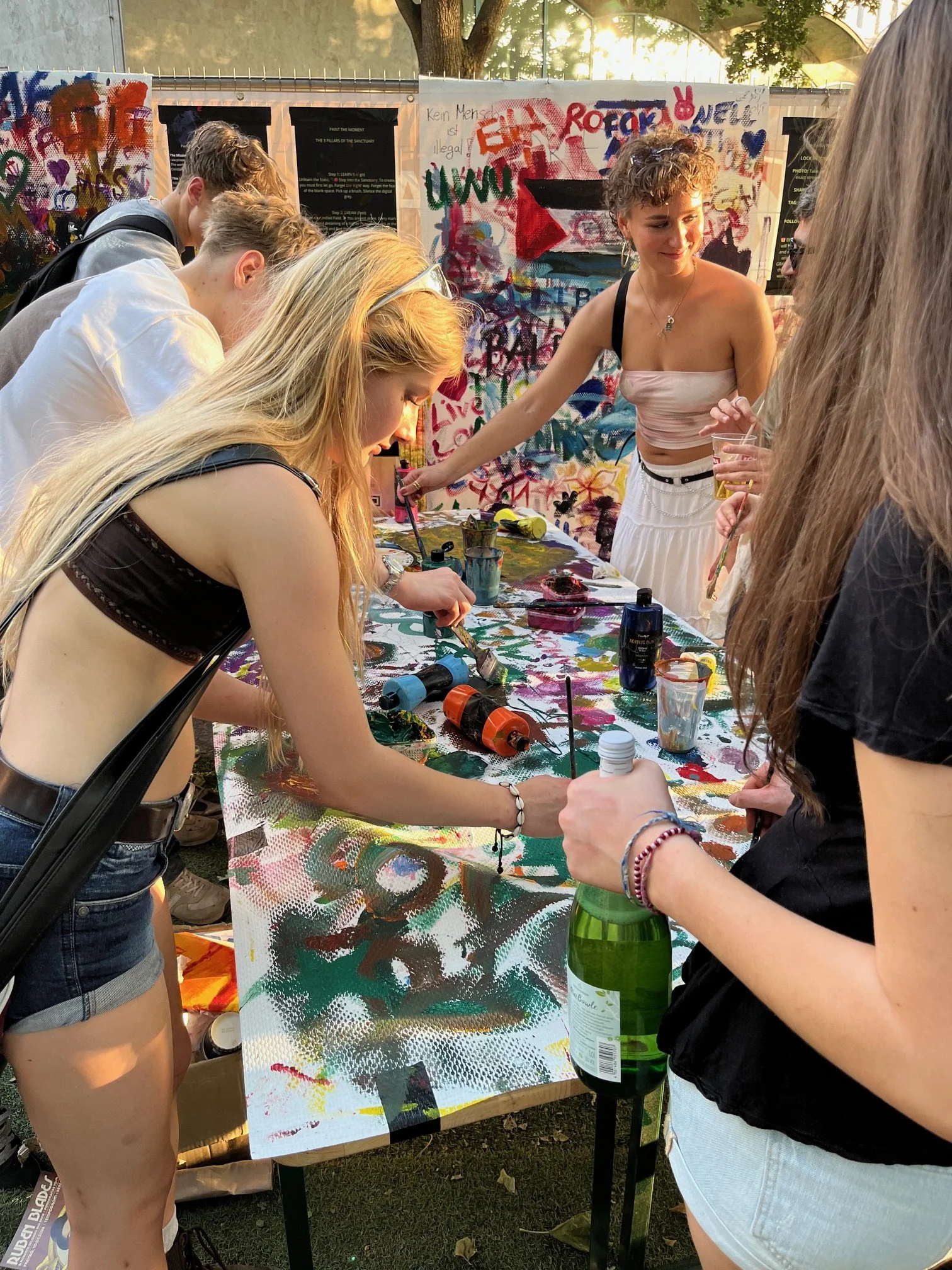
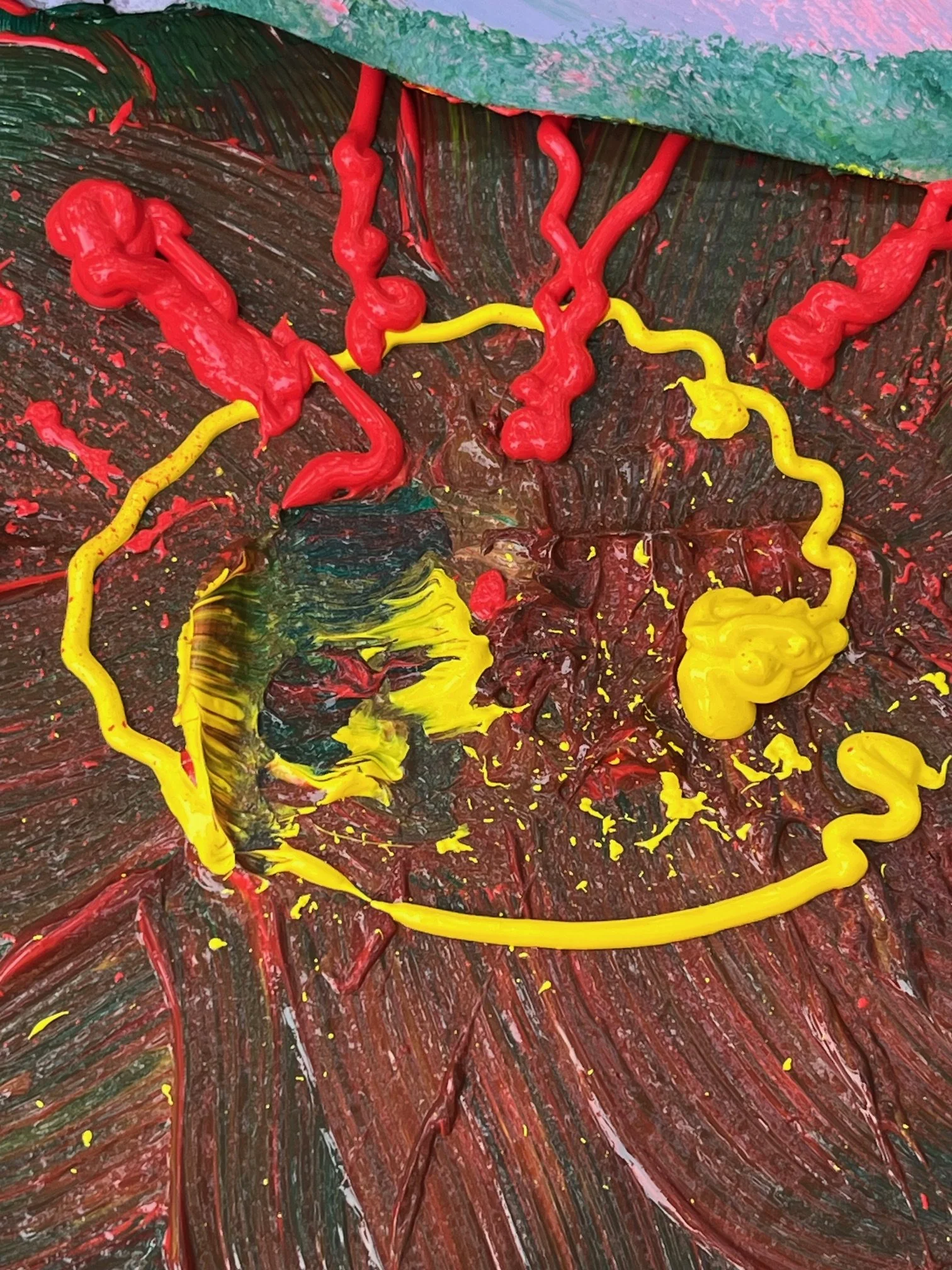
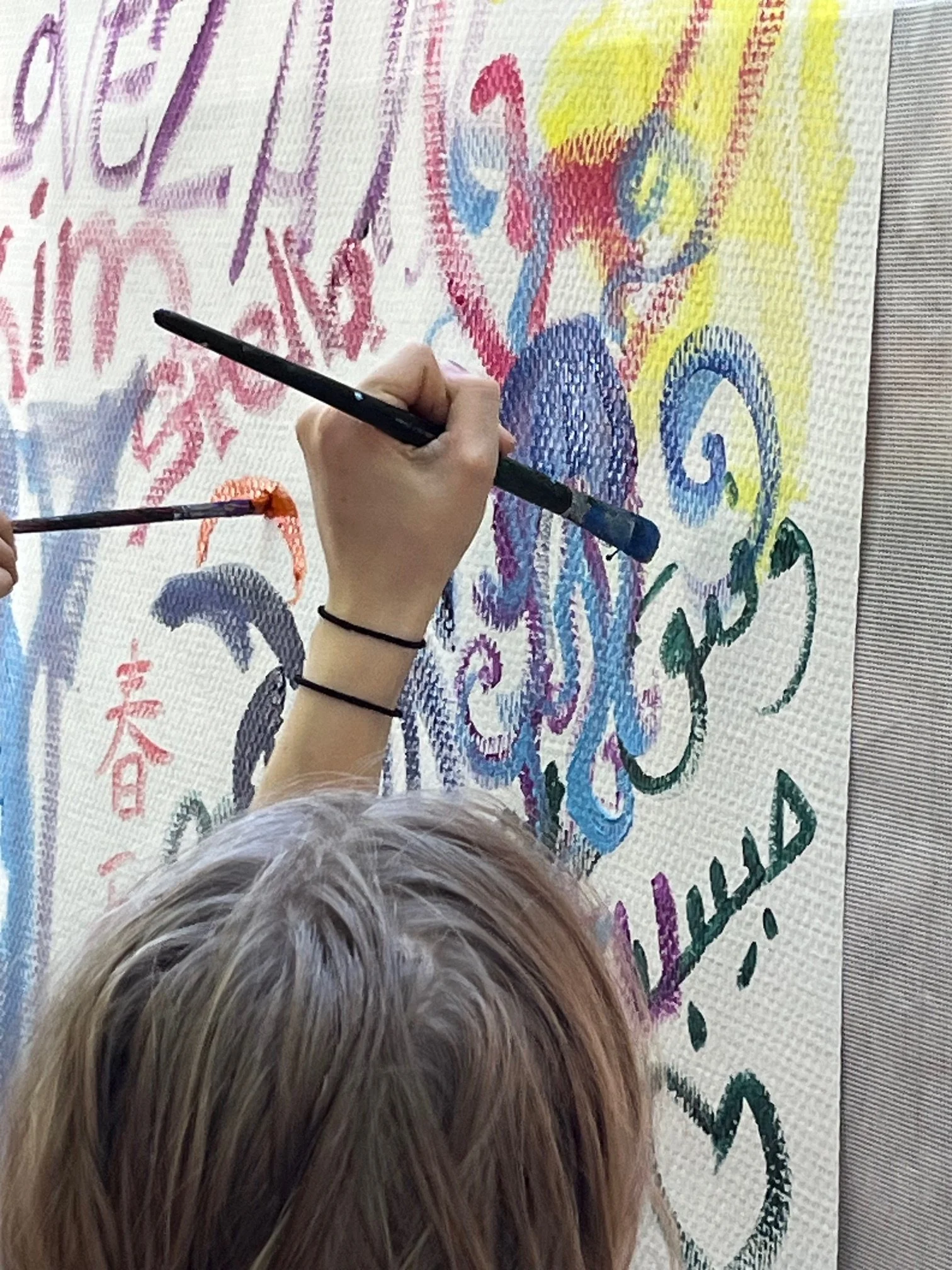
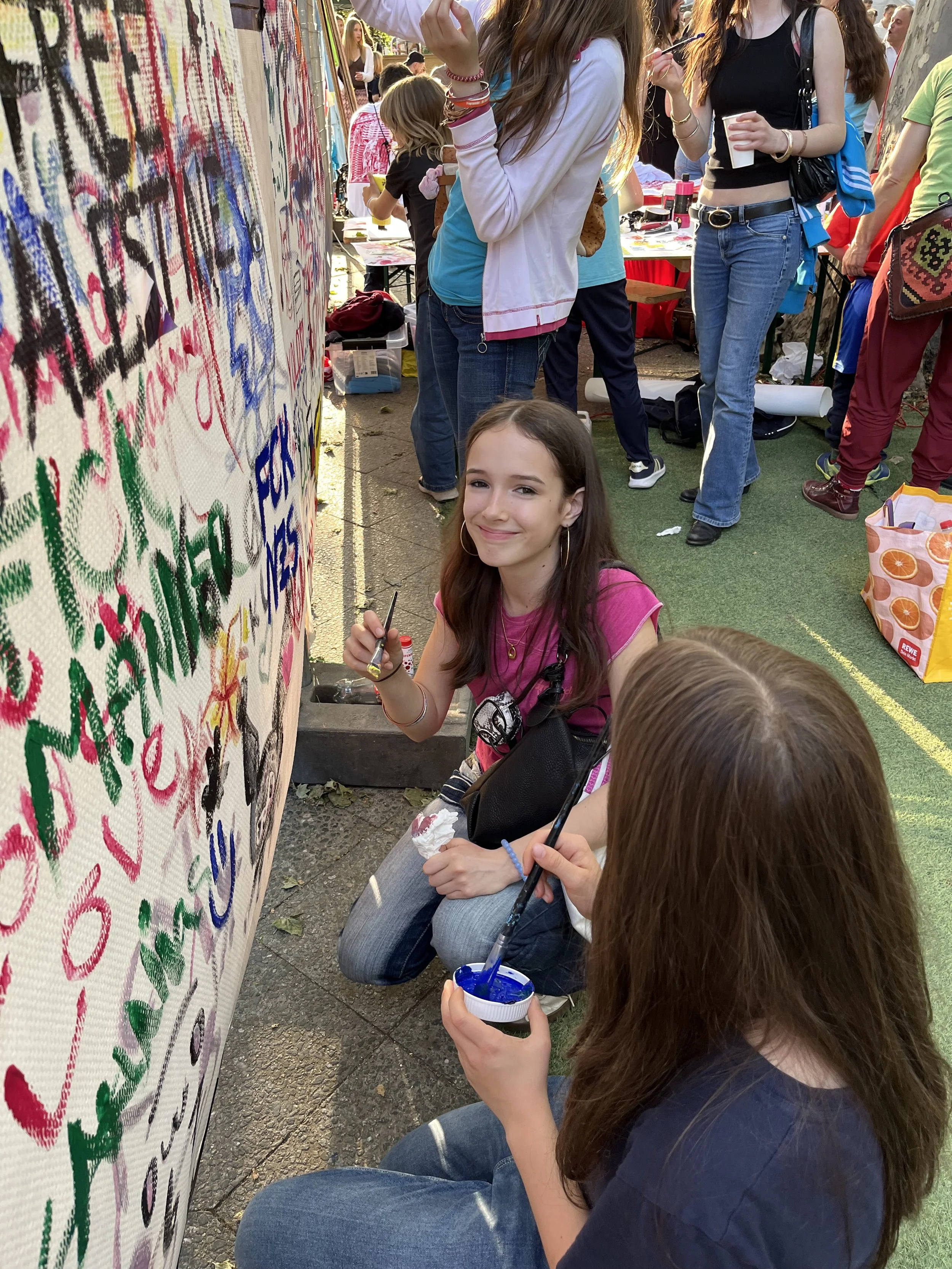
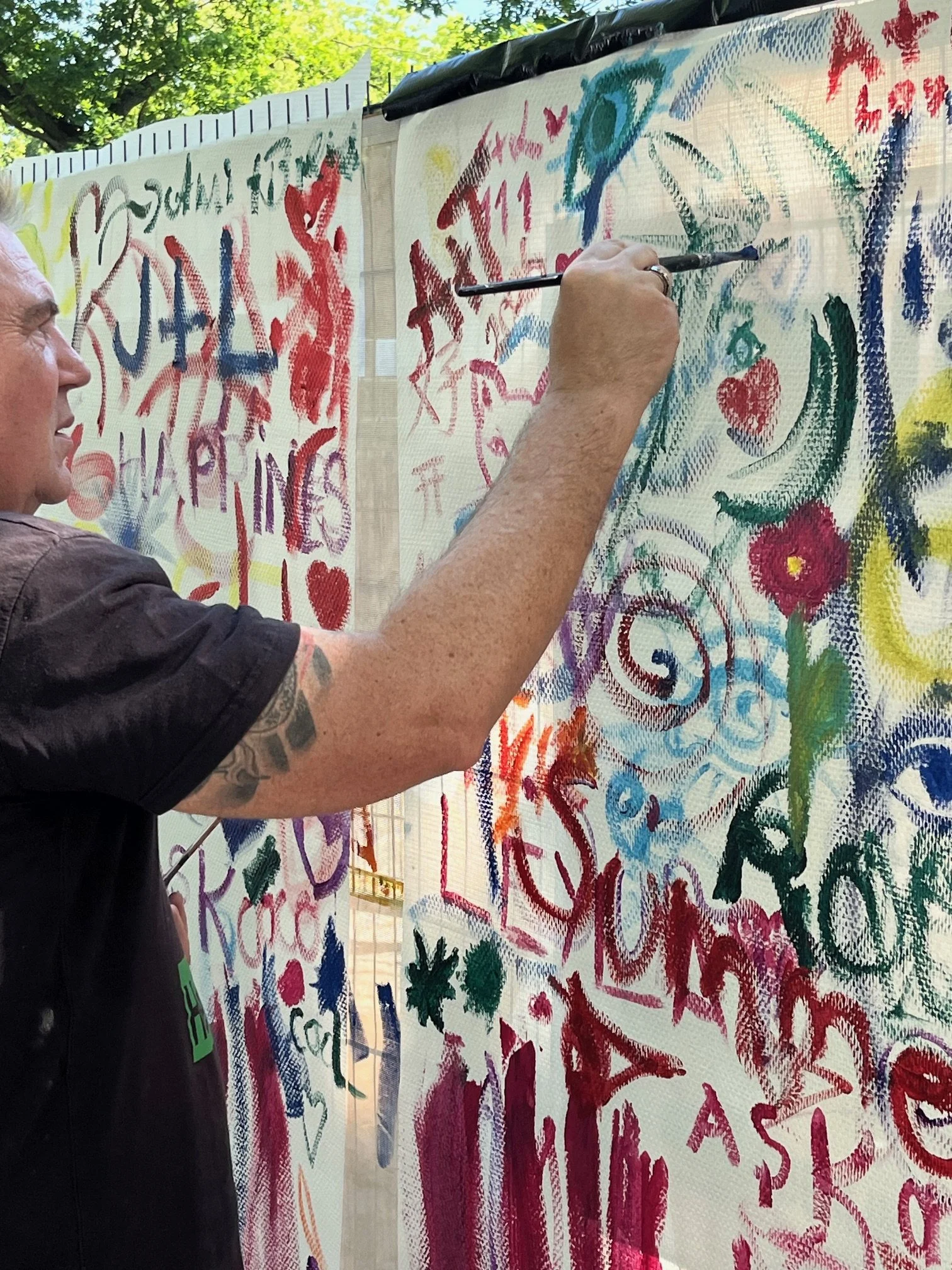
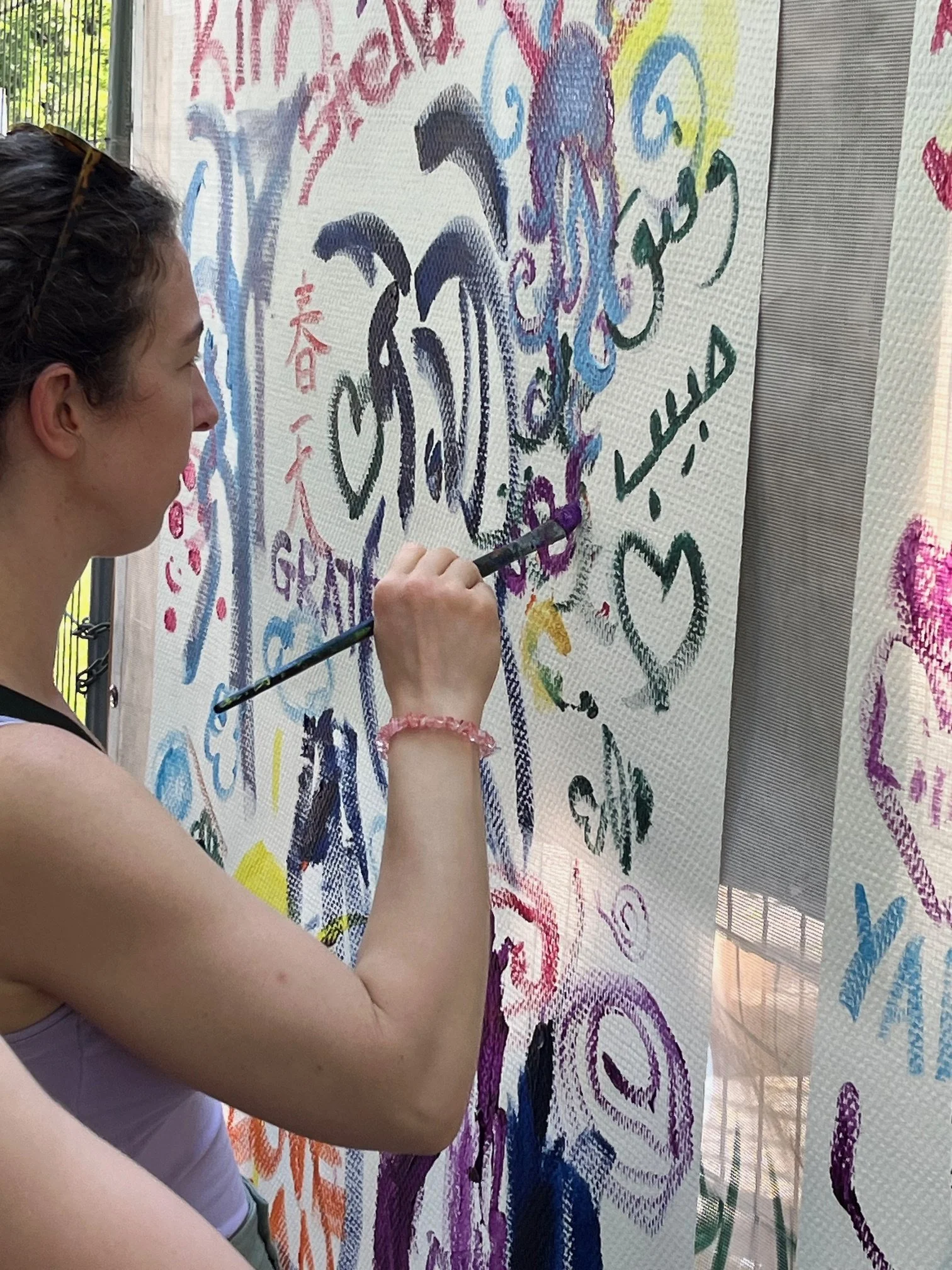
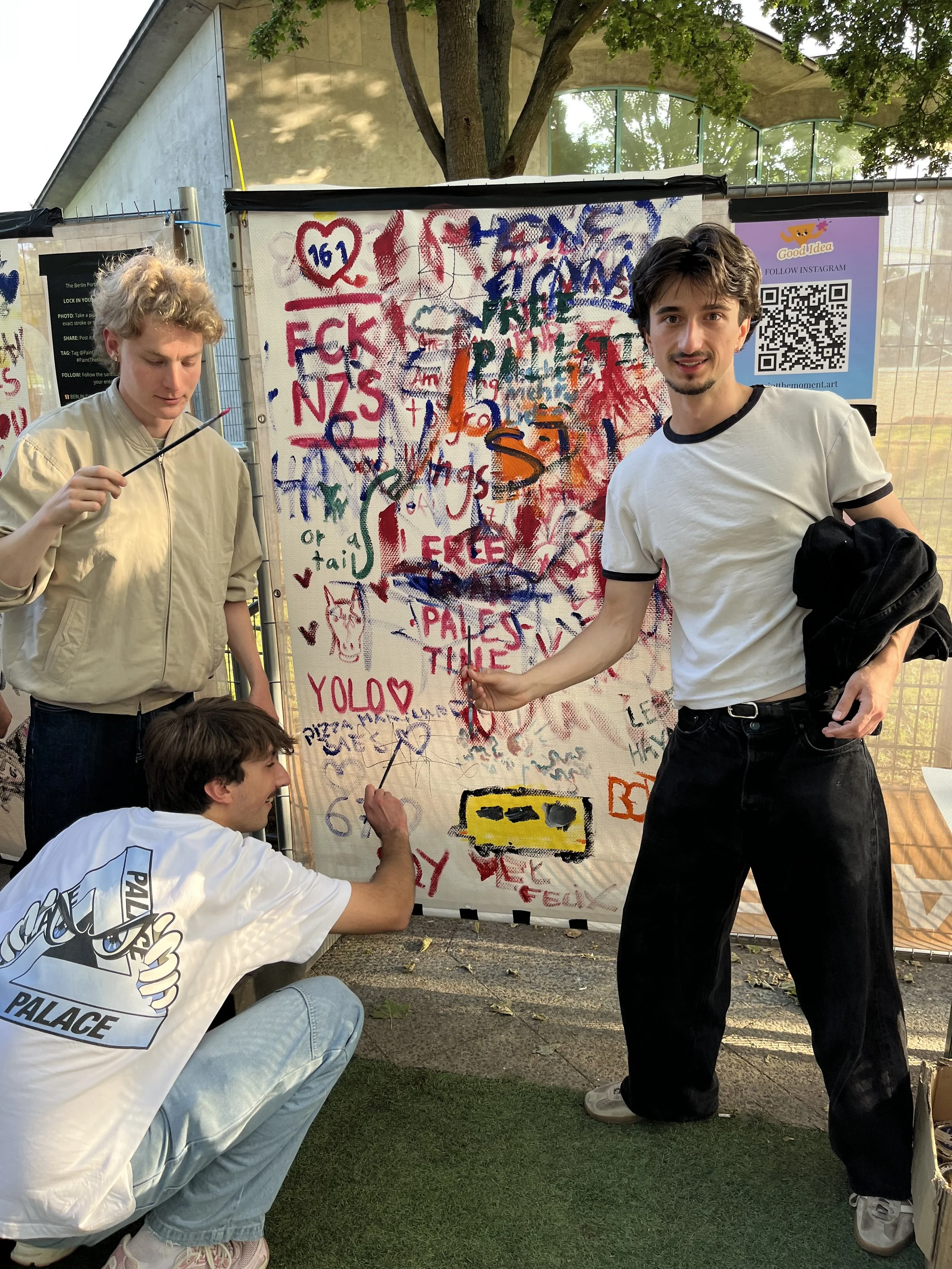
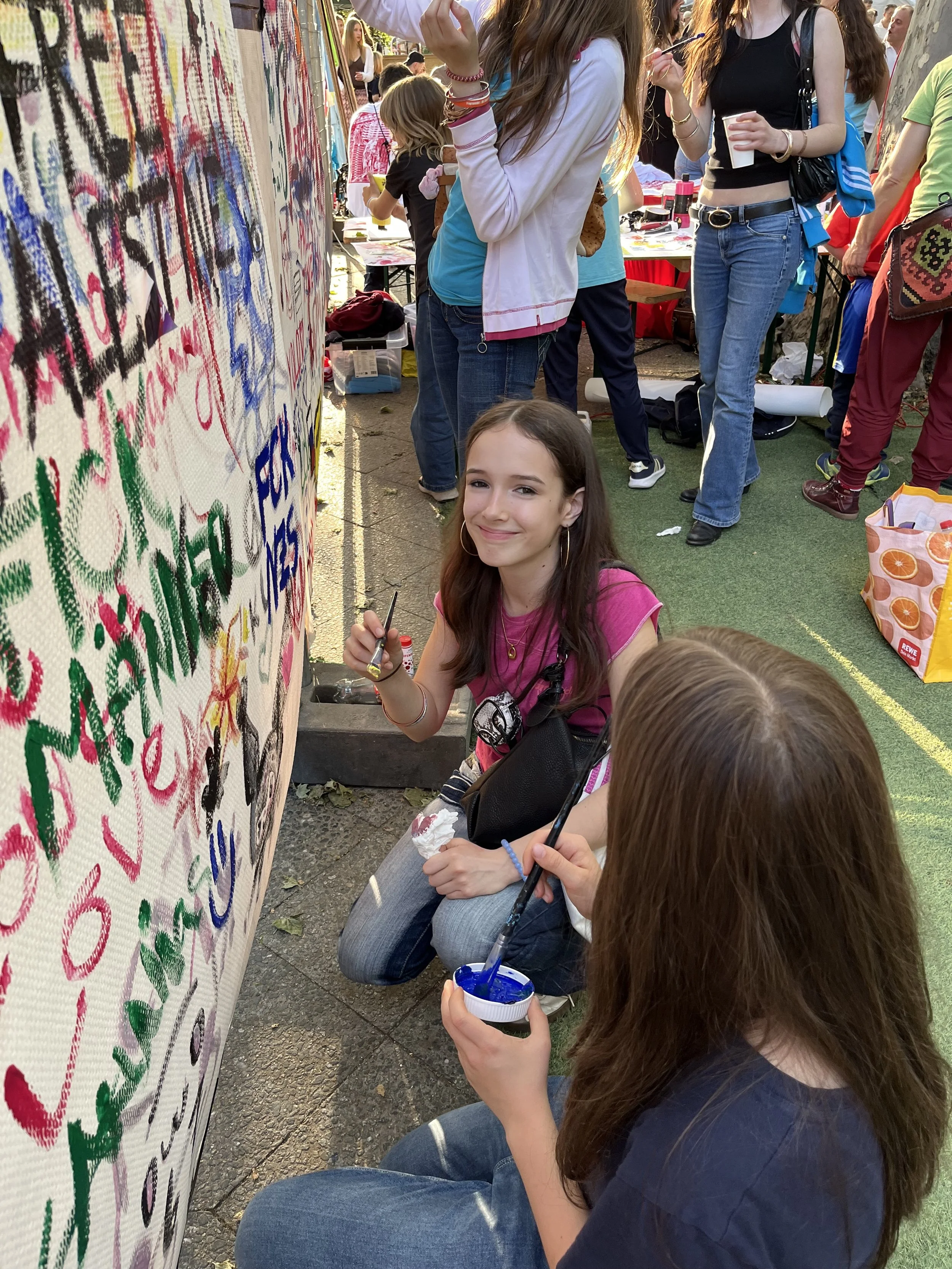
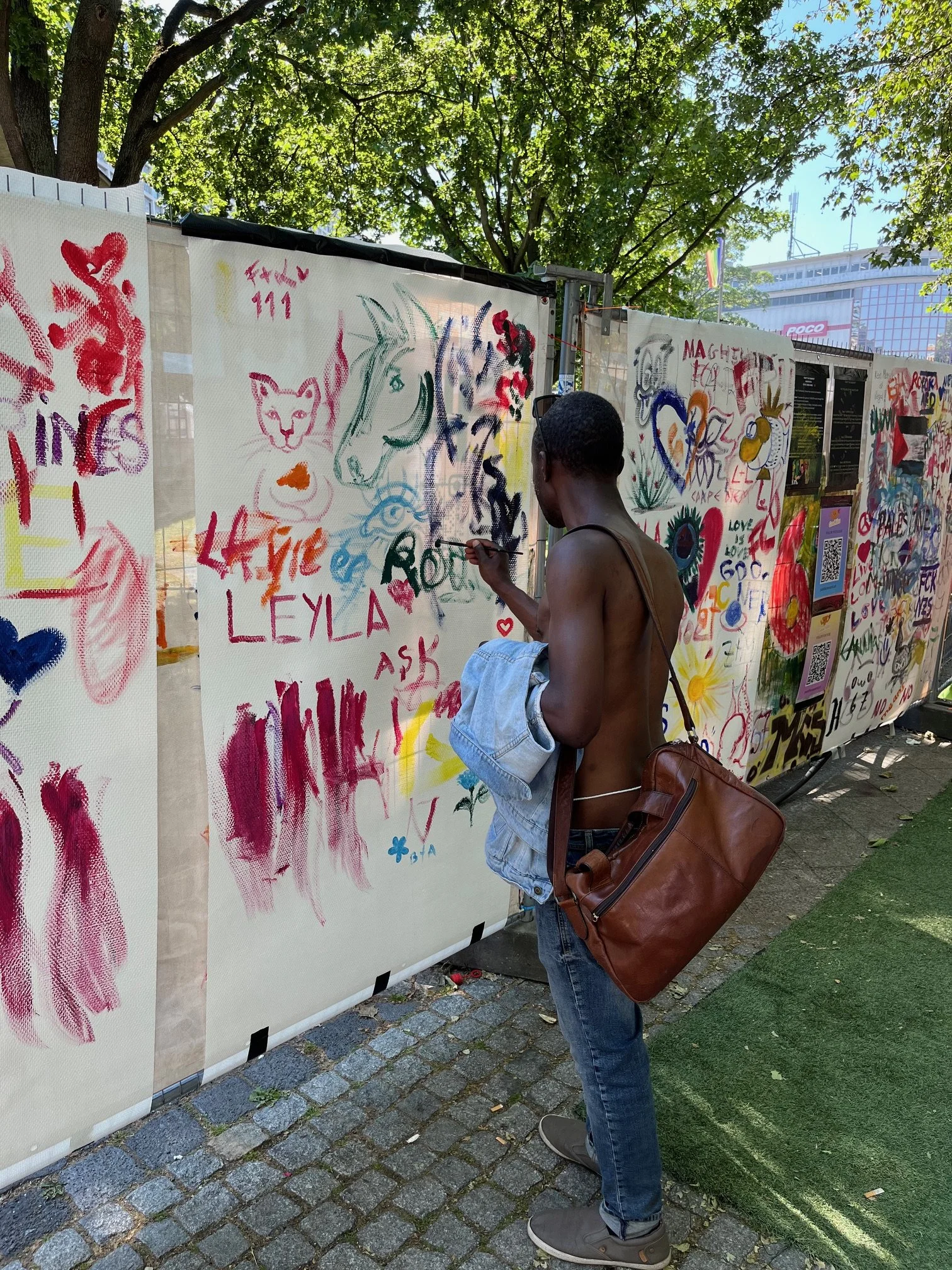
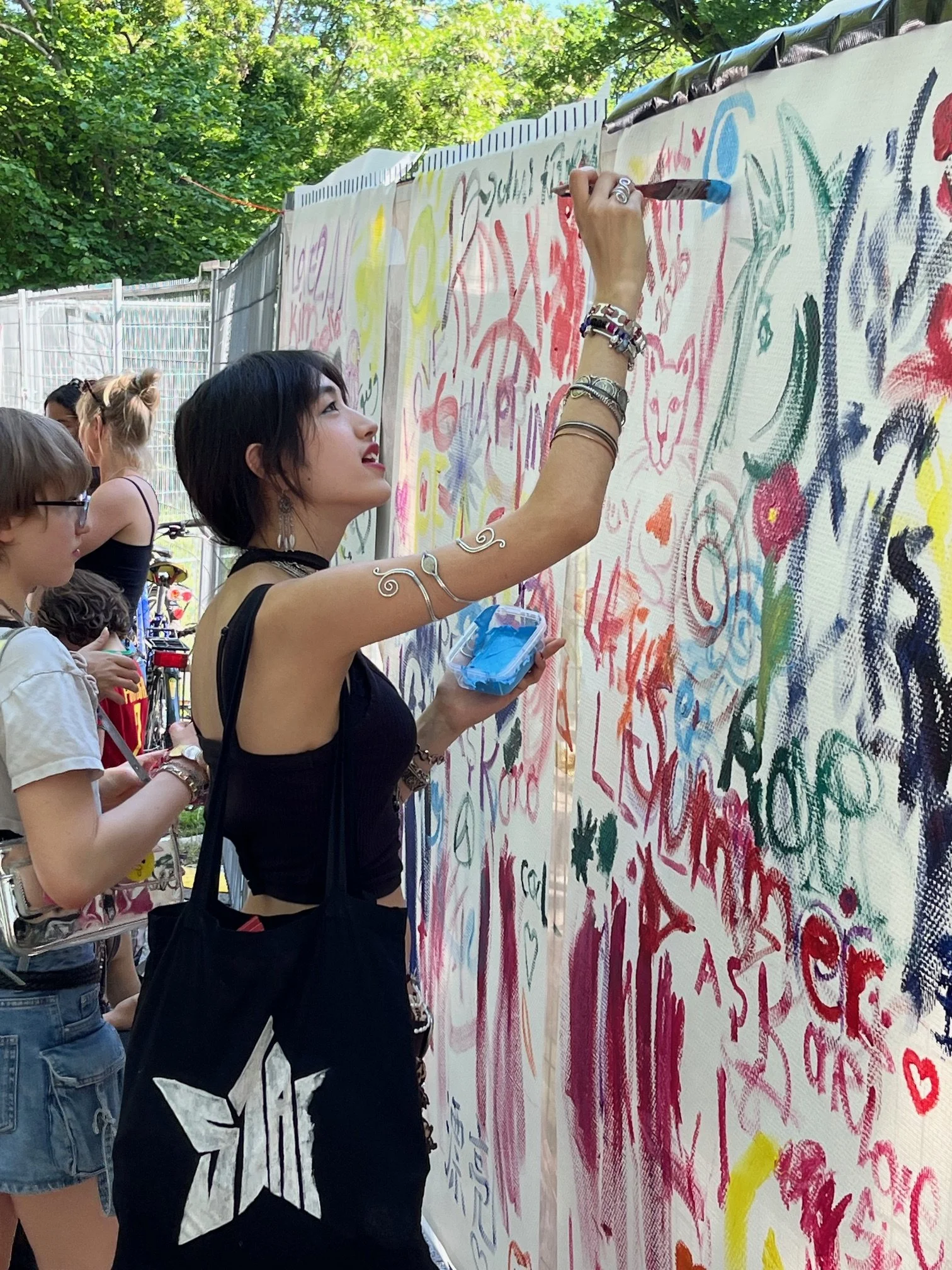
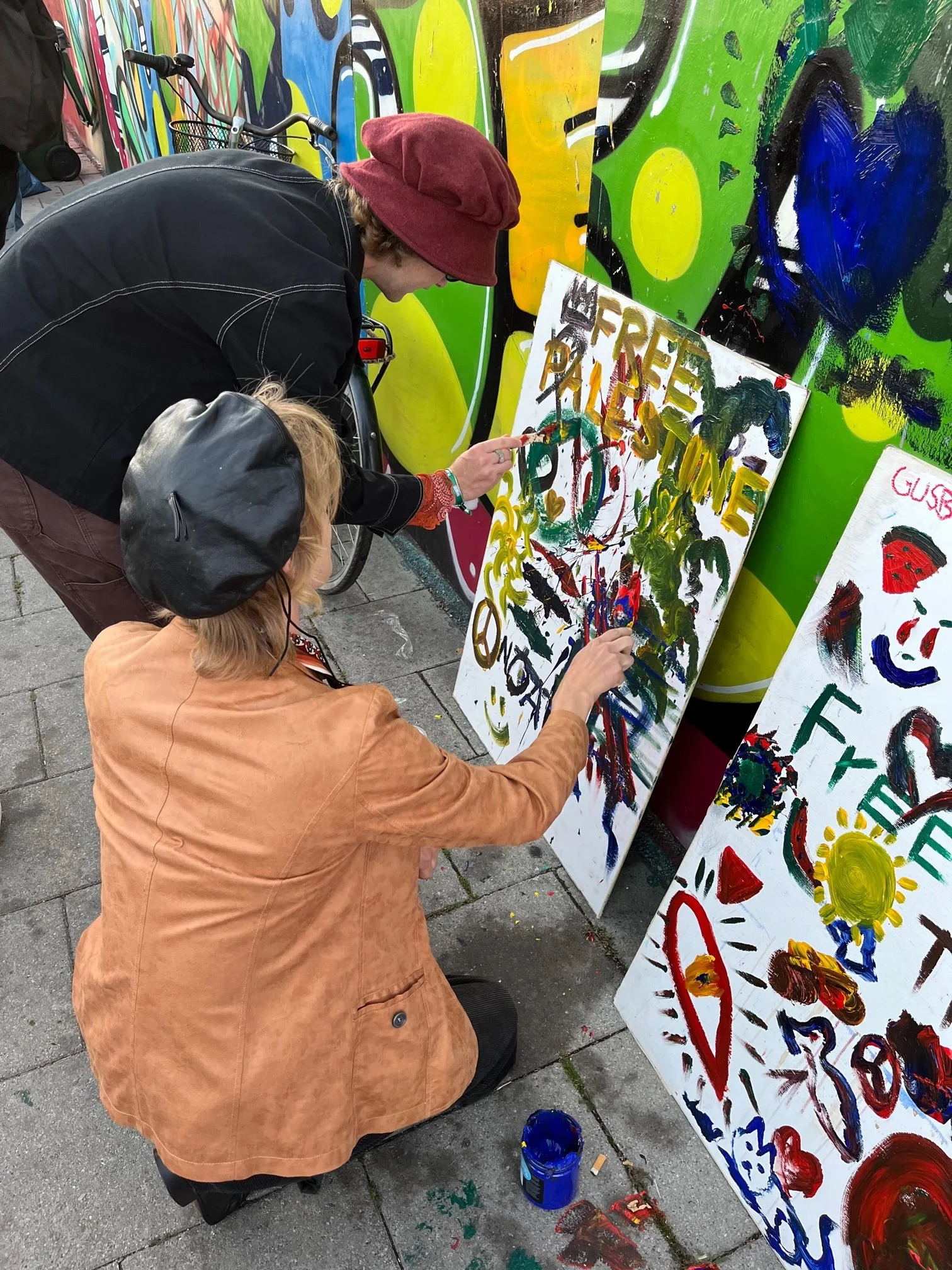
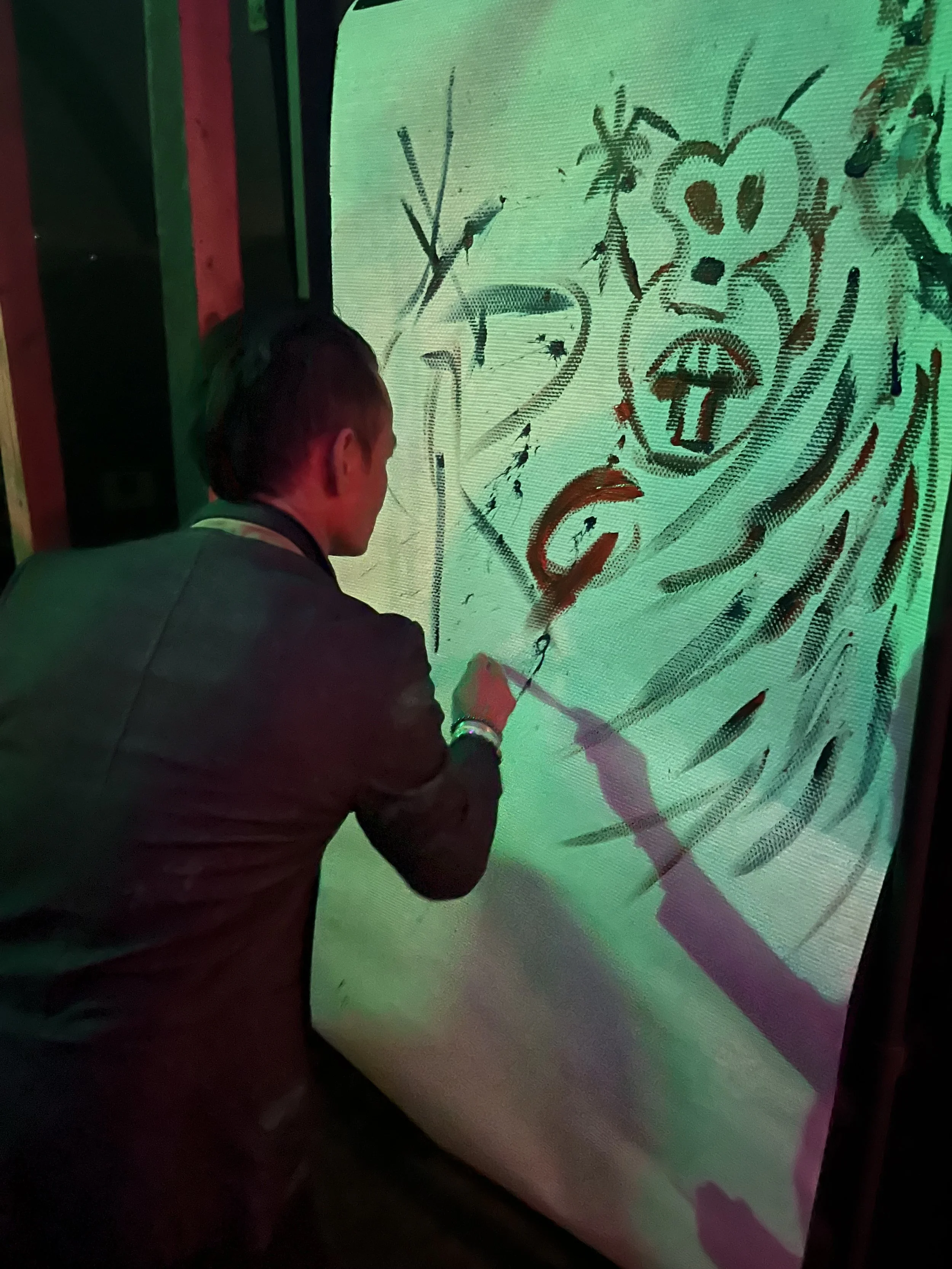
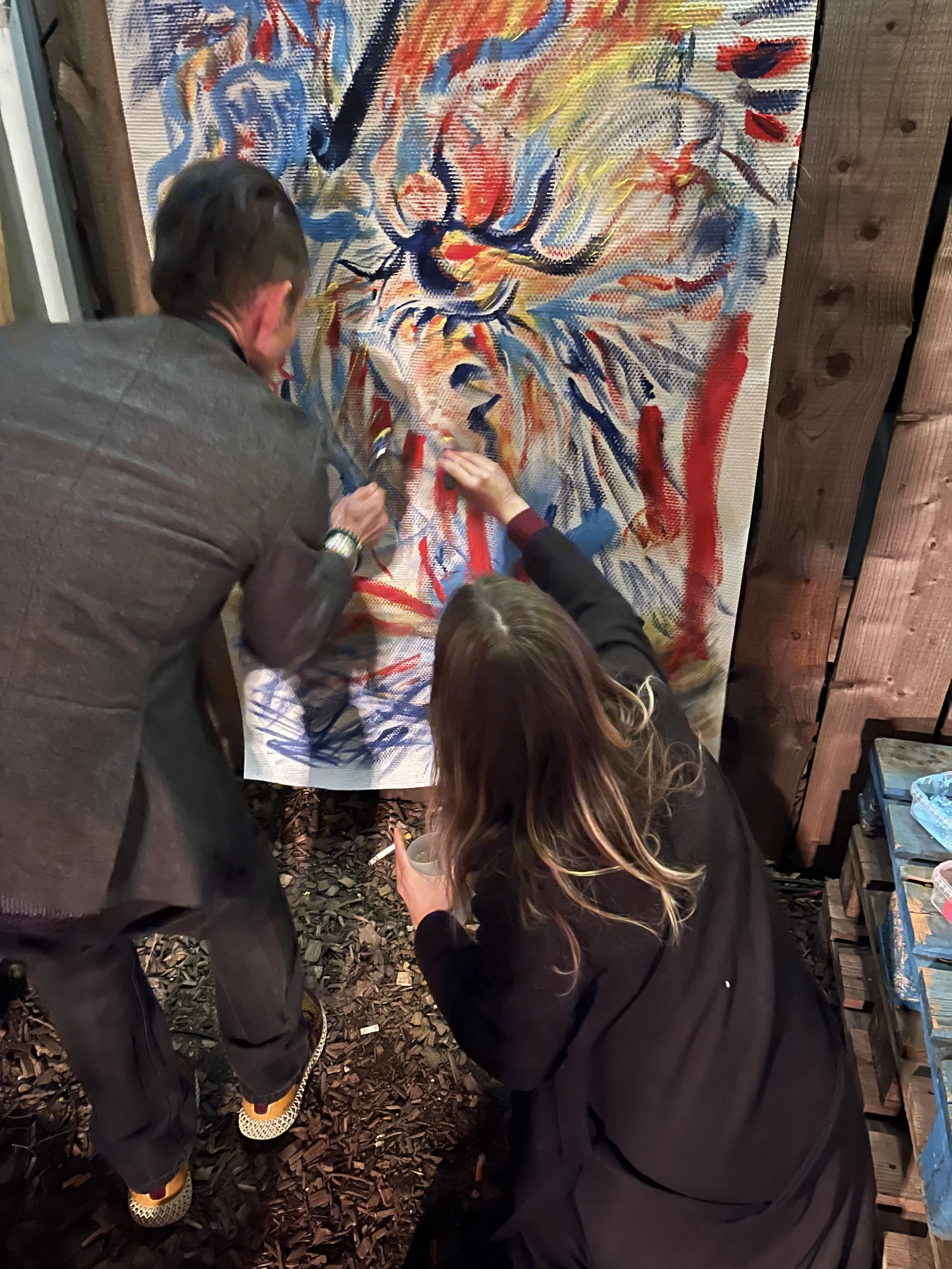
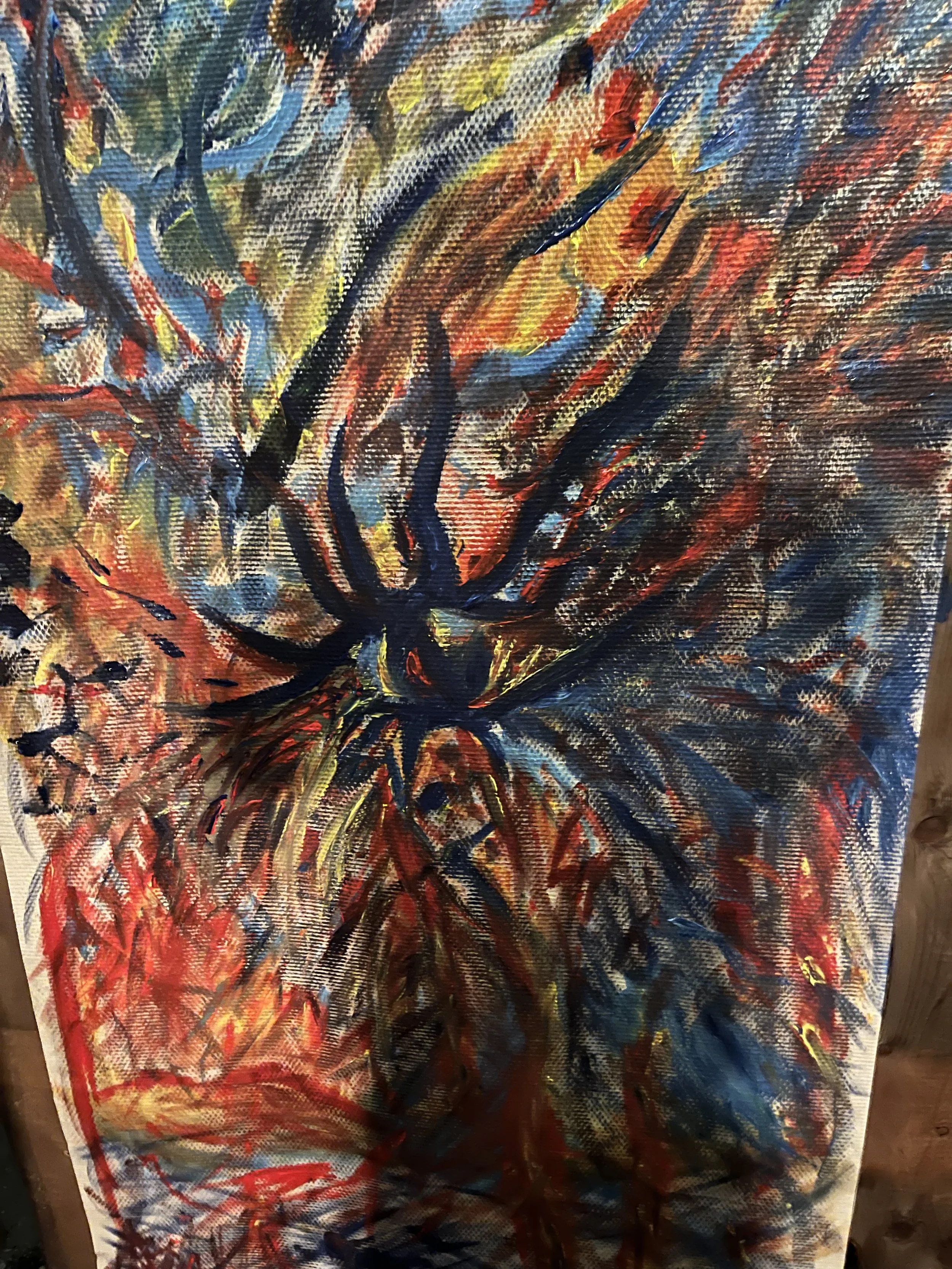
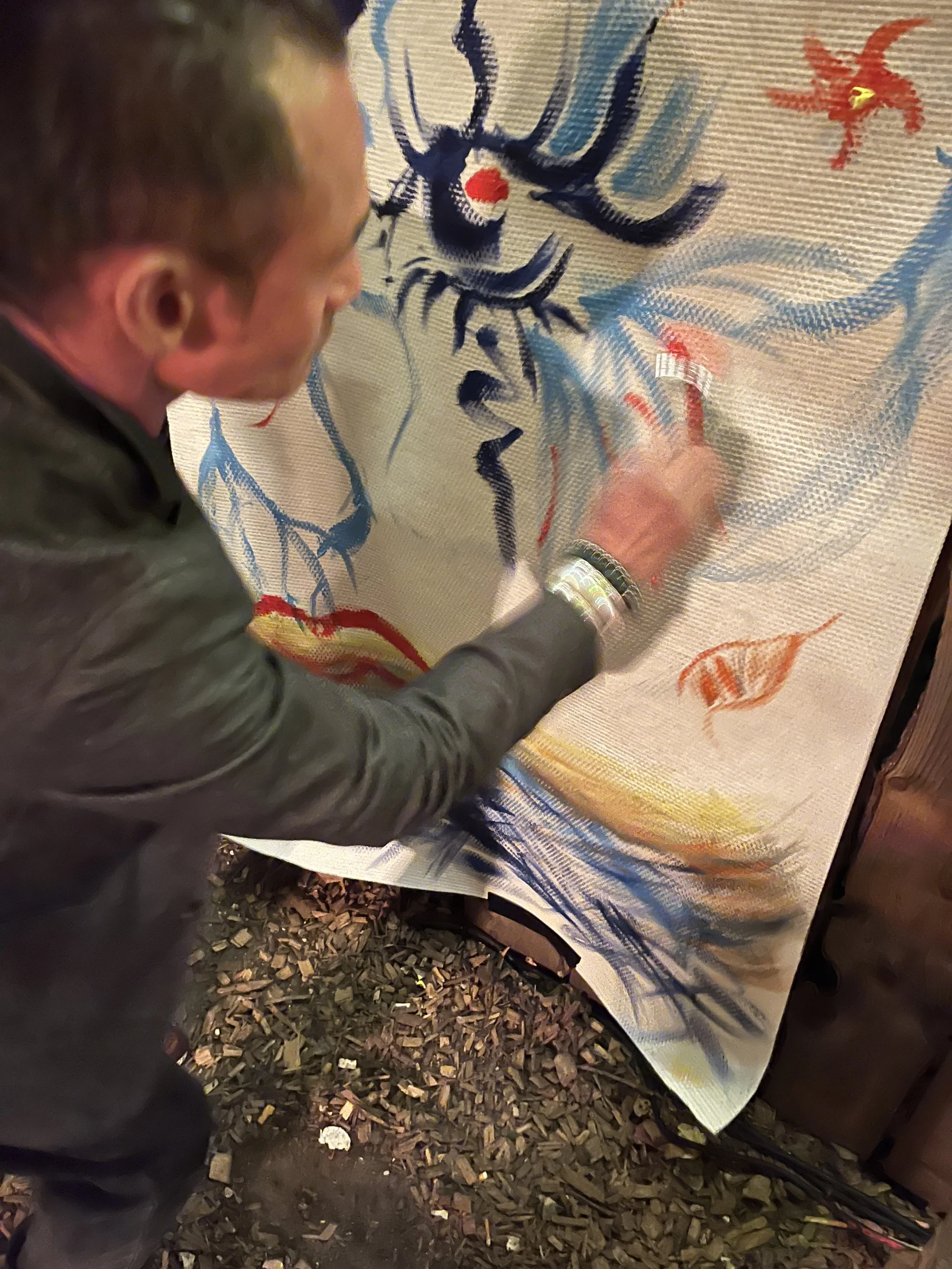
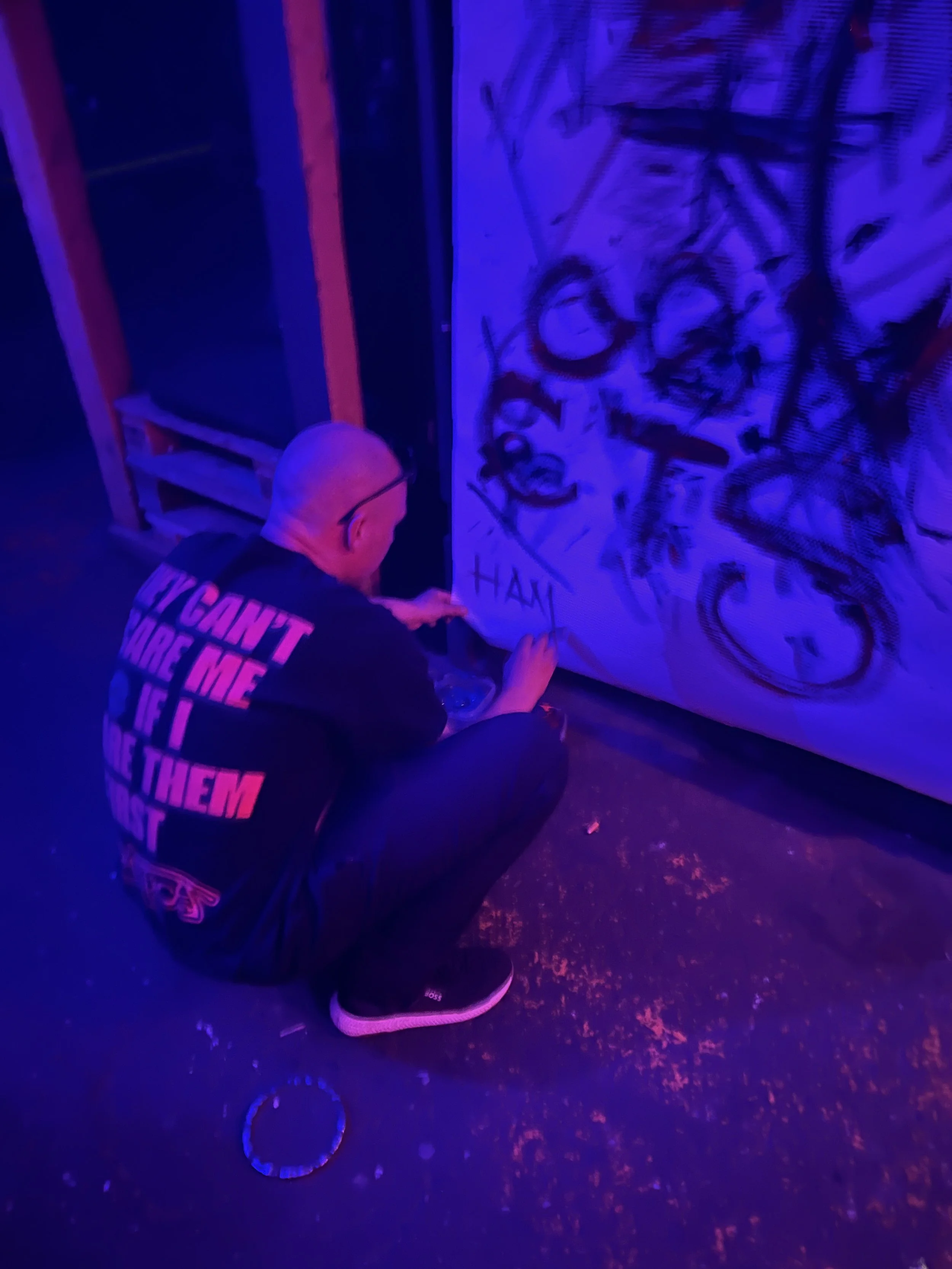
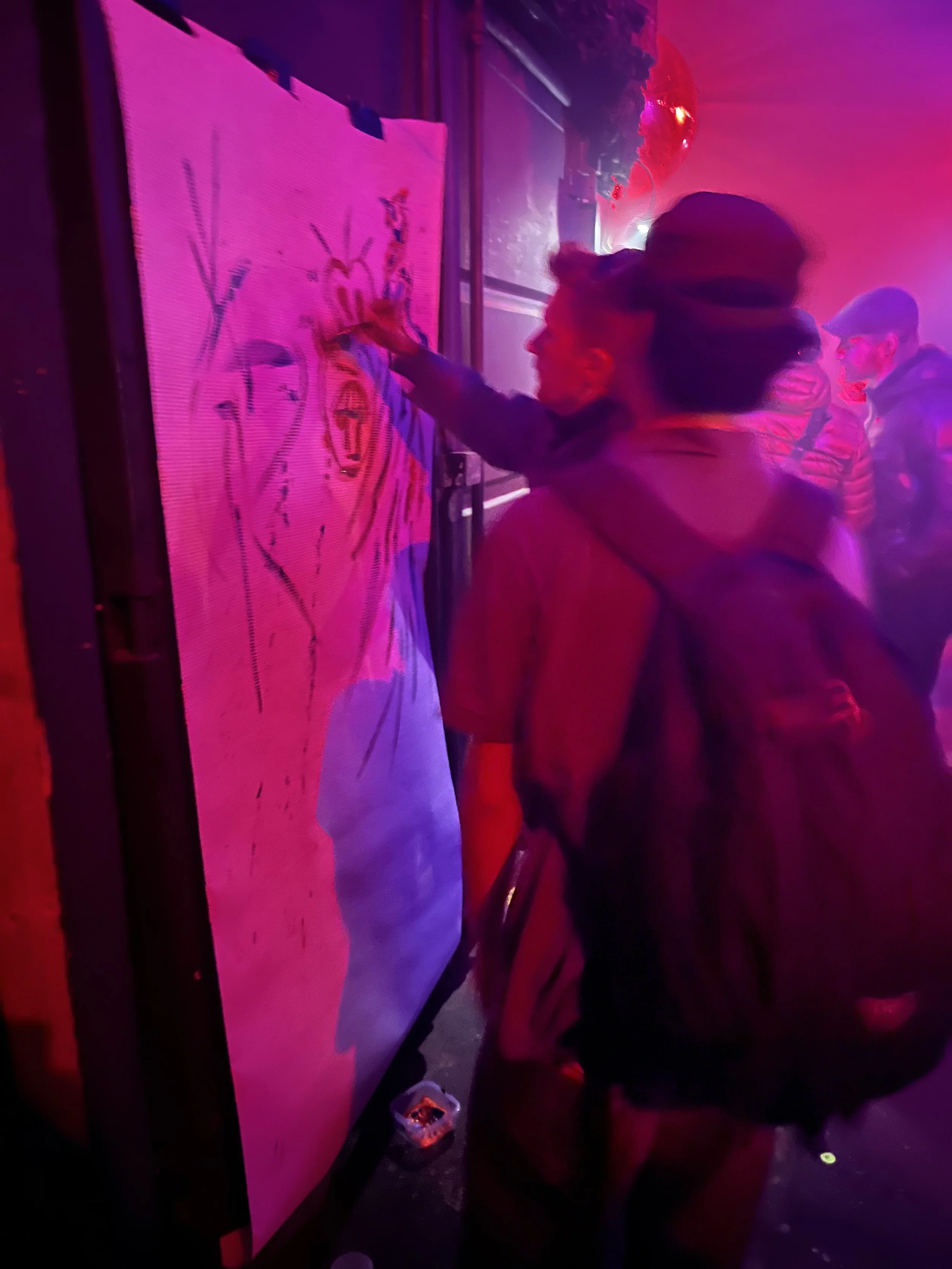
The Test: The participant physically applies paint to a vertical, scrolling paper canvas.
What we are exploring: By switching from passive digital consumption to tactile, analog movement, can we safely interrupt the modern "dopamine layering" loop and observe if the mind stabilizes on a single channel?
// 03 / BE (2 MINUTES) — BASELINE INTEGRATION
The Test: A final period dedicated to pure sensory grounding, breathing, and quiet reflection.
What we are exploring: Does a structured 2-minute decompression pause help a person retain a sense of calm and presence as they re-enter the chaotic flow of the city center?
STEP INTO THE SANCTUARY
A physical intervention in the heart of Copenhagen.
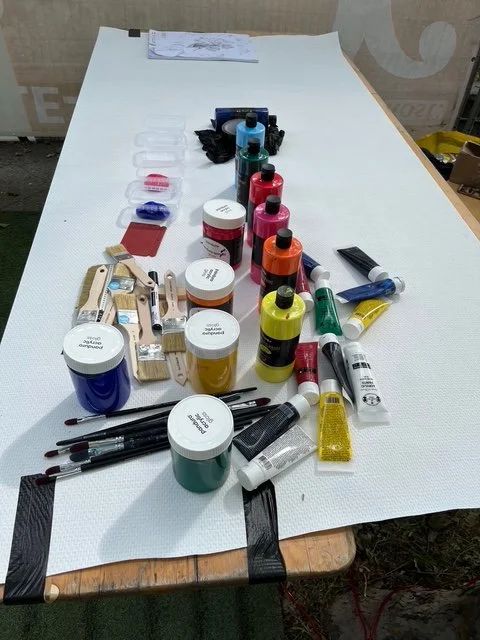
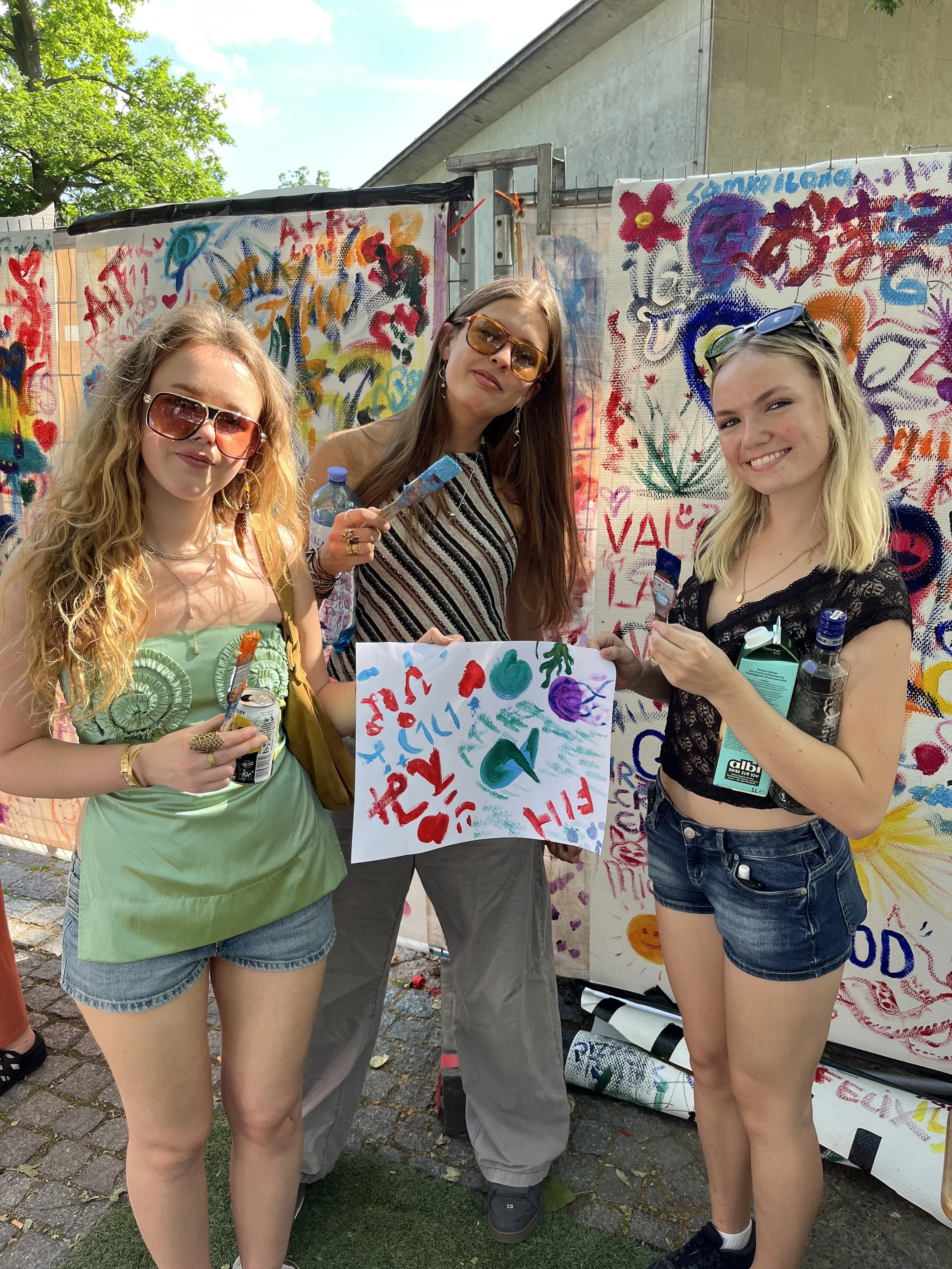
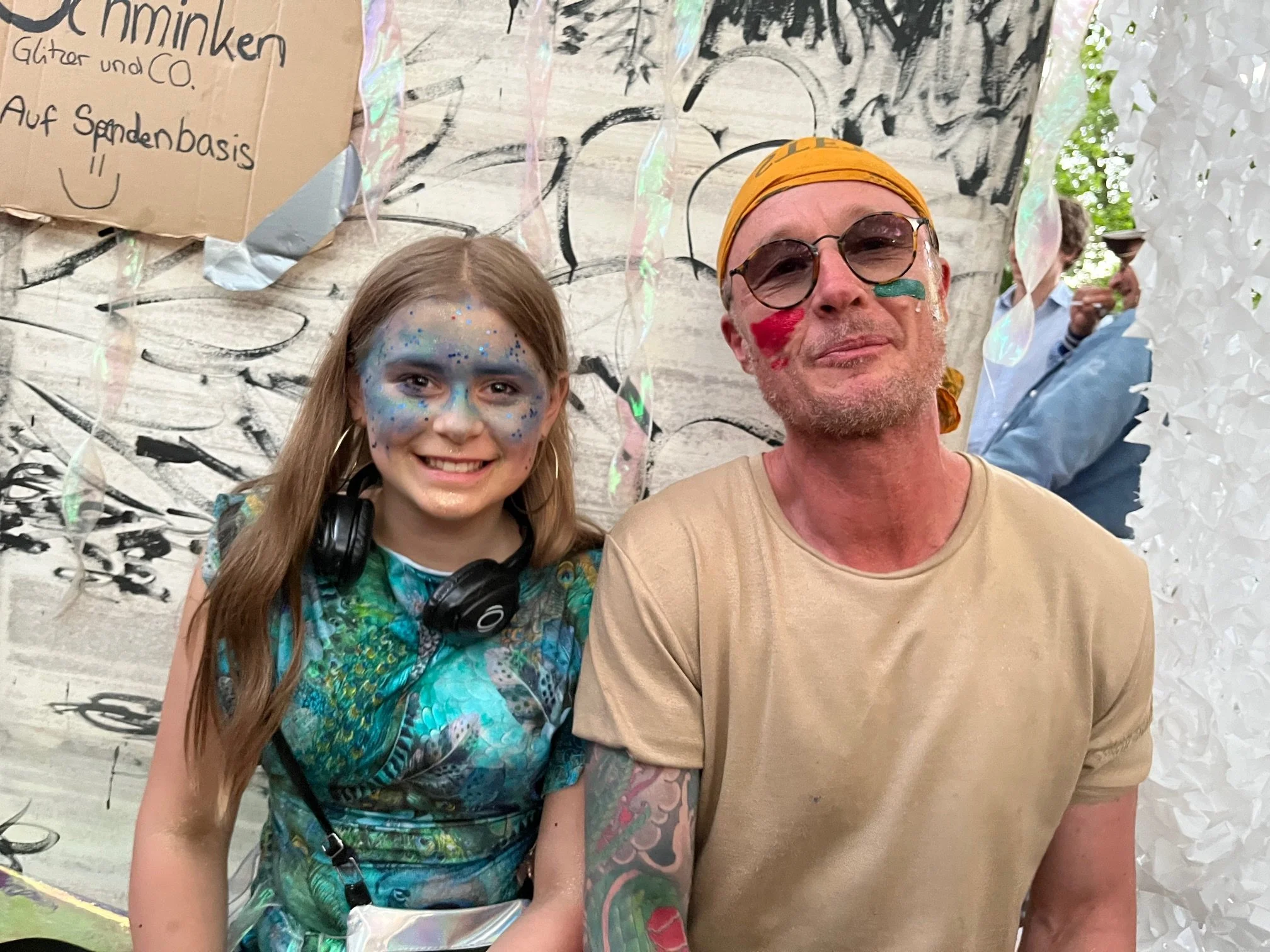
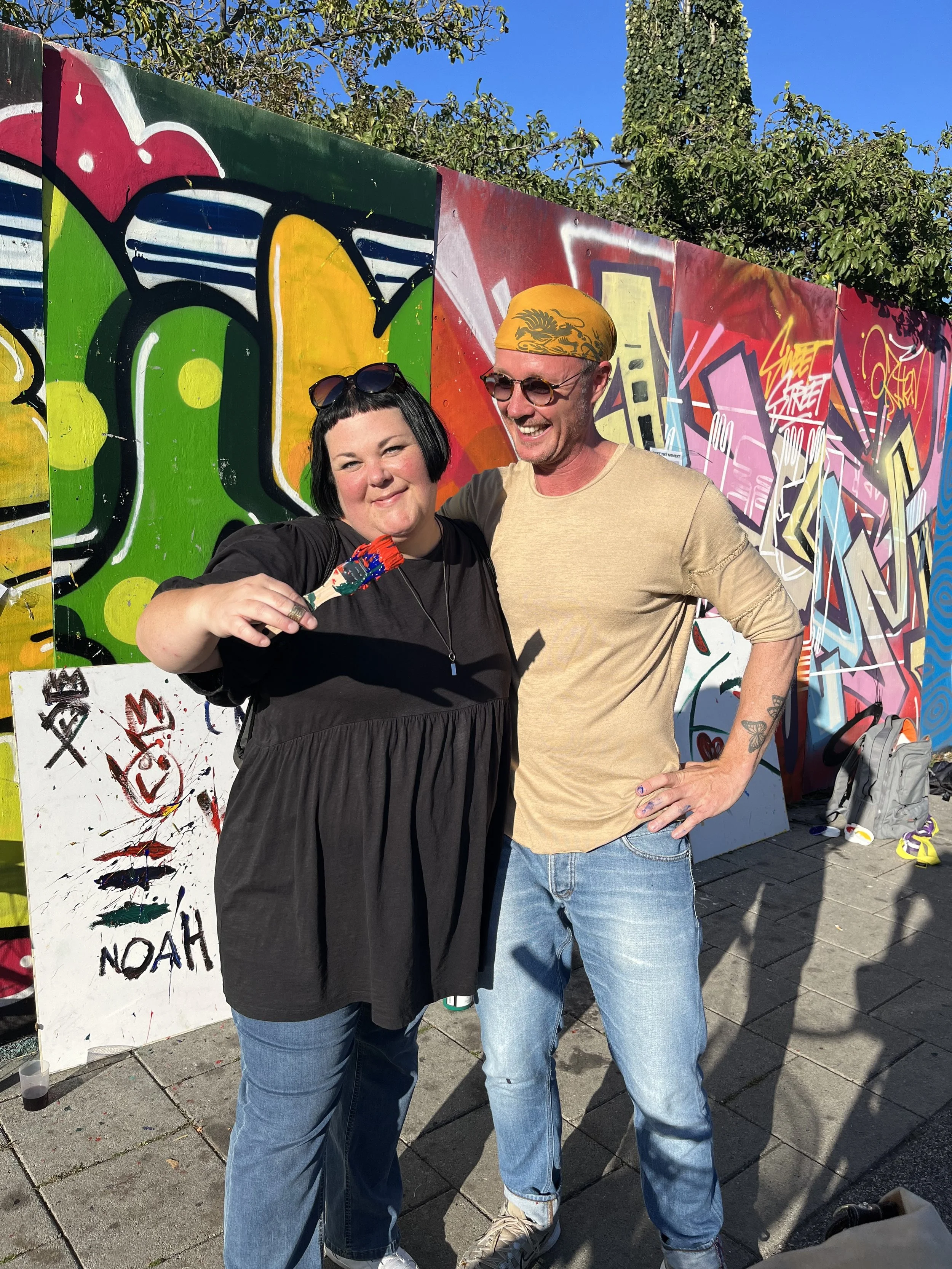
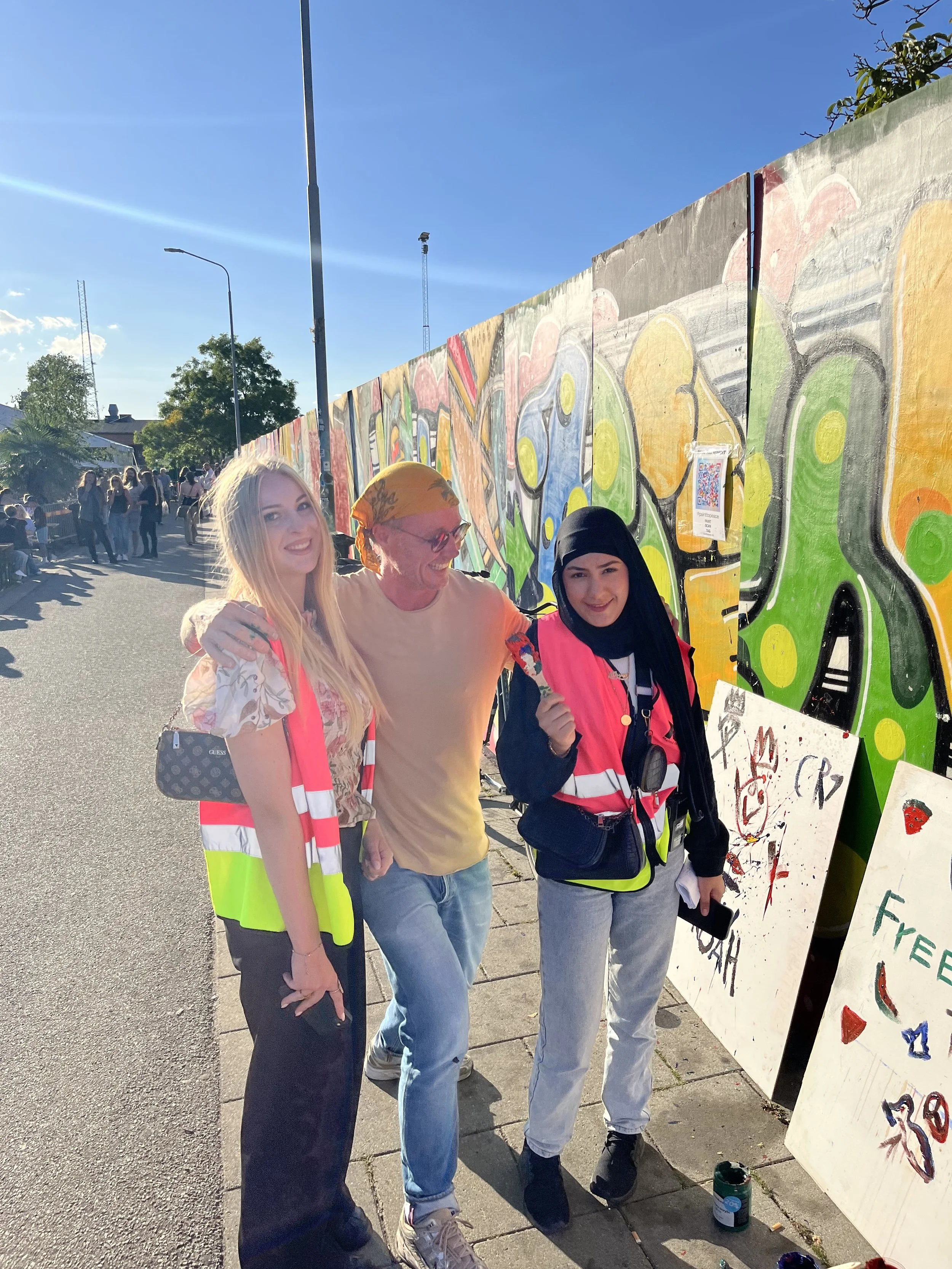
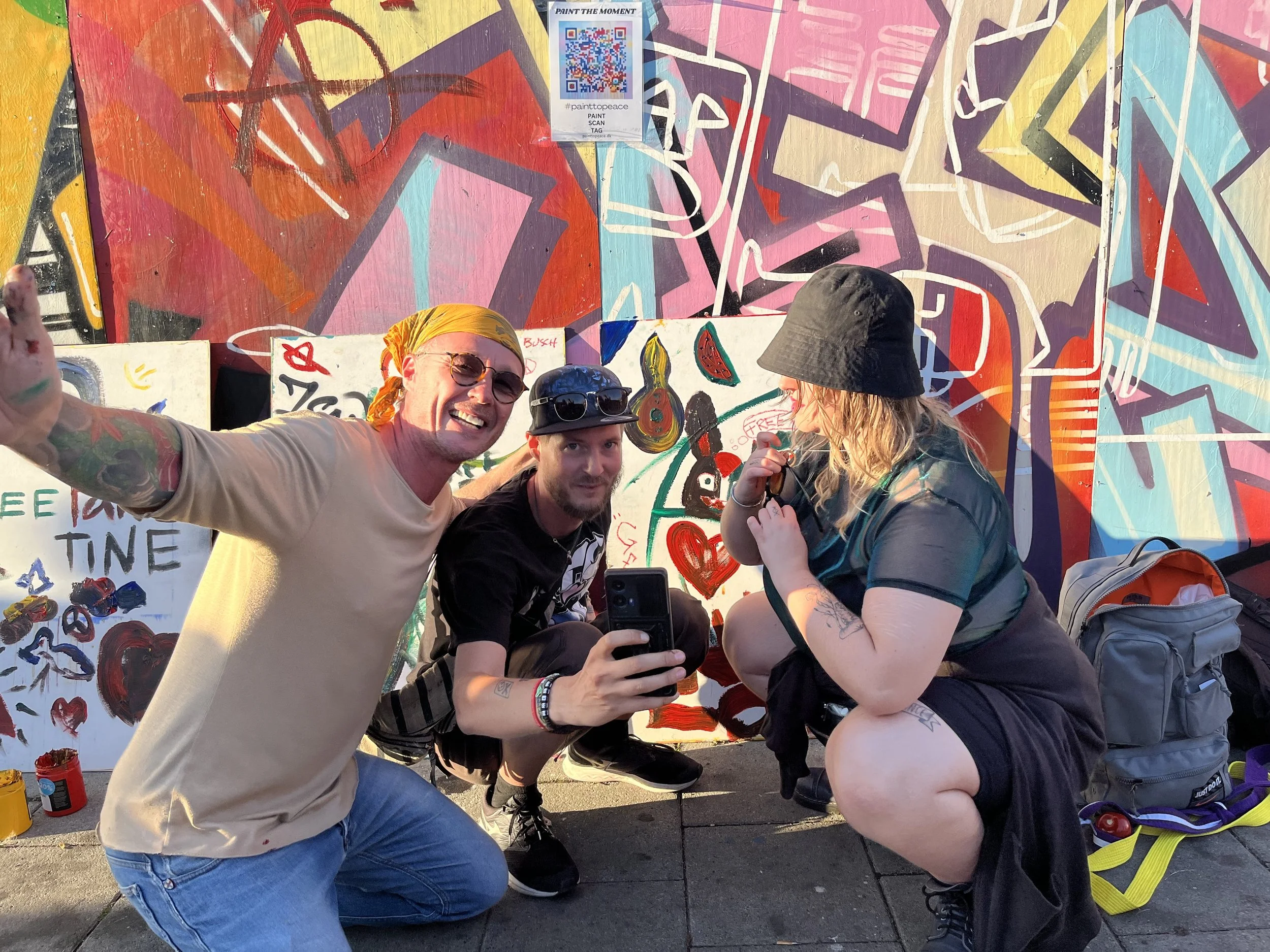
Inside a temporary 15-meter horizontal structure, the noise of the city is muted. By stepping away from digital screens and engaging with raw paint and moving canvas, participants are invited to test how a brief, structured analog pause influences immediate mental focus.
// An open field experiment in urban decompression.
THE GLOBAL EXPERIMENT: PARTICIPATE FROM ANYWHERE
The urban sensory filter failure isn't unique to Copenhagen. It happens on the subway in New York, the high streets of London, and the concrete grids of Tokyo. Wherever you are right now, you can execute the protocol, claim your baseline presence, and anchor your data point into our global visual canvas.
Stop scrolling. Step out of the walking traffic. Stand or sit completely still. Observe the ambient data around you without interacting with it.
Close your eyes or focus on a single fixed point. Shift your awareness entirely inward. Track your breathing. Locate your baseline presence beneath the noise.
Lock this exact moment into reality. Open your notes app, sketch on a napkin, take an intentional photograph, or use your digital canvas. Capture your immediate state.
"Paint the moment and share it with your friends."
Tag your location and use #PaintTheMoment to archive your data point.